If you want to visit Japan in 2027 without the crowds, the quietest periods are 12 January to early February, late May to June, early September, and 1-20 December. The periods to avoid are 29 April to 5 May, 11-16 August, and 29 December to 3 January 2028, when the whole of Japan travels at the same time.
This article goes month by month through which holidays fall in each period, which season they coincide with, and how they affect travel in Japan, so you can use it to pick your days off or your flight dates.
Why do Japanese holidays matter to Thai travelers?
Japanese people love traveling in their own country. Whenever they get 3 or more days off in a row, families drive out to the countryside, take the Shinkansen back to their hometowns or go to stay at an onsen. Foreign visitors feel this in three main ways.
- Expressways around Tokyo and Osaka jam for tens of kilometers, especially the Chuo Expressway to Kawaguchiko and the Tomei to Hakone. Trips by van or coach need double the time.
- Hotels and ryokan in tourist towns raise prices on Saturday nights and the night before a holiday, and some are fully booked 2-3 months ahead.
- Nozomi trains on the Tokaido Shinkansen switch to all-reserved seating during New Year, Golden Week and Obon, so the non-reserved cars you can normally just board are not available.
Besides public holidays, Japanese school vacations also fill up theme parks and museums: the spring break from around late March to early April, and the summer vacation from around late July to late August.
January-February 2027: Winter, the quietest time of the year
After the New Year holidays, malls and shops are back to normal from around 4 January. The next holiday is Coming of Age Day on Monday 11 January, making 9-11 January a 3-day weekend. From then until early February, Tokyo, Kyoto and Osaka are quieter than at any other time of year, and city hotel prices are at their lowest too.
February has two dates to watch out for.
- Thursday 11 February, National Foundation Day. People who take Friday the 12th off get 11-14 February. Sapporo is crowded at this time because it is close to the Snow Festival.
- Tuesday 23 February, the Emperor's Birthday. People who take Monday the 22nd off get 20-23 February.
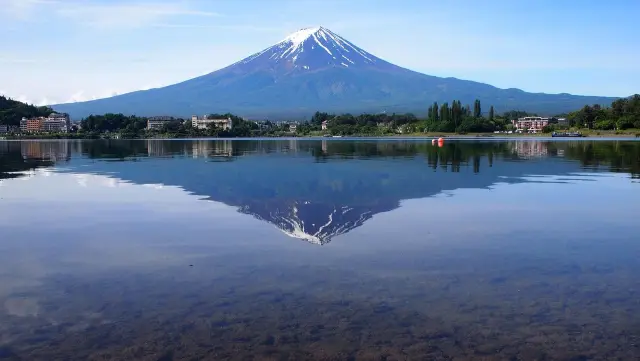
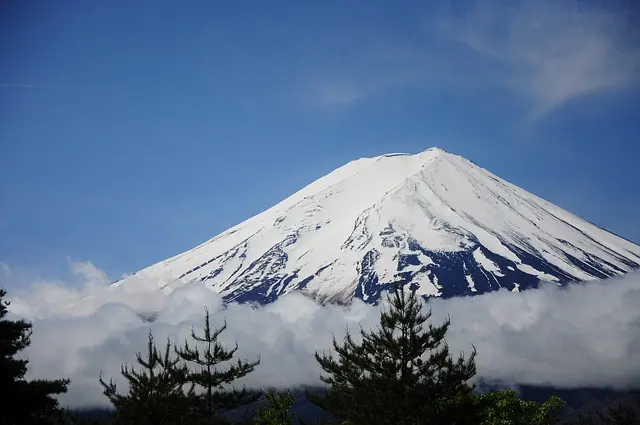
If you are going to Hokkaido in winter, book hotels in Sapporo and Otaru early, because both Japanese and foreign travelers go at the same time. Meanwhile, cities on Honshu are at their easiest of the year, and Mount Fuji is often clearly visible because the air is dry and the sky clear.
March-May 2027: Cherry blossoms and Golden Week, the busiest period
The Vernal Equinox falls on Sunday 21 March, so there is a substitute holiday on Monday 22 March, giving a long weekend of 20-22 March, just as Tokyo's cherry blossoms begin to bloom. This is followed by the Japanese school break, and famous cherry blossom spots in Kyoto, such as the Philosopher's Path and Arashiyama, are packed all day until early April.
If you want to see cherry blossoms with fewer people, practical options are
- Go on weekdays after 5 April and follow the blossoms north to Tohoku, such as Kakunodate in Akita, which blooms about 2-3 weeks later than Tokyo
- See the Kawazu cherry blossoms on the Izu Peninsula from late February, which bloom earlier than the rest and don't clash with school breaks
- Leave your hotel before 7 a.m.; most famous gardens are still empty until about 9 a.m.
Golden Week 2027 starts on Thursday 29 April (Showa Day), followed by Saturday 1 to Wednesday 5 May (Constitution Day, Greenery Day and Children's Day). People who take Friday 30 April off get 7 days in a row. During this period, domestic flights, the Shinkansen and hotels are all noticeably more expensive. If you can't avoid it, plan to stay in big cities where you can use the subway, and don't drive out of Tokyo on 29 April or back into the city on 4-5 May.
Late May-June 2027: The value period people overlook
After 6 May, Japan has no public holidays until mid-July, and June has none at all. Hotel prices drop a lot from Golden Week, and lines at popular sights get shorter.
The downside is the rainy season (tsuyu) on Honshu, Kyushu and Shikoku, which usually starts around early to mid-June, with drizzle for several days in a row. But this is when hydrangeas bloom at temples in Kamakura and Hakone. Hokkaido has almost no rainy season, and in late June the flowers in Furano and Biei begin to bloom in cool, pleasant weather, ideal for those who want to avoid both rain and crowds.
July-August 2027: Summer vacation and Obon
Monday 19 July is Marine Day, giving a long weekend of 17-19 July, when beaches and seaside resorts are packed. After that, students are on a long break until late August, and theme parks like Disney and Universal are crowded even on weekdays.
The heaviest part of summer is Obon. This year Mountain Day falls on Wednesday 11 August, so people start traveling back to their hometowns from midweek until around 16 August. Haneda, Narita and Kansai airports are packed, almost every Shinkansen is full, and some small restaurants close for several days. If you are going in August, early in the month or after 20 August is better.
As for the weather, Tokyo and Kyoto are hot and humid in August, and daytime temperatures above 33 degrees are normal, so plan outdoor walking for the morning and evening.

September-November 2027: Frequent holidays, but gaps to slip into
Early to mid-September is another quiet period. Children are back at school, but typhoons are still possible, so buy travel insurance that covers flight delays.
The second half of September has 2 holiday blocks close together: Respect for the Aged Day on Monday 20 September (off 18-20), and the Autumnal Equinox on Thursday 23 September, when Japanese people often take Friday the 24th off to make it 23-26 September. So this year there is no 5-day Silver Week, but more people than usual travel during these two weeks.
October has Sports Day on Monday 11 October (off 9-11), which coincides with the start of autumn colors in the high mountains and the Tohoku region, such as Nikko and Tazawako. November has Culture Day on Wednesday 3 November and Labor Thanksgiving Day on Tuesday 23 November, when people who take Monday the 22nd off get 20-23 November, right at the peak of the red leaves in Tokyo, Kawaguchiko and Kyoto.
To see the autumn colors while avoiding crowds, choose weekdays between 4-19 November, or go to Kyoto in early December, when the leaves at many temples are still red but the crowds have thinned a lot.
December 2027: No public holidays until the end of the year
This December has no public holidays, so 1-20 December is comfortable for travel, with illuminations in the big cities and hotel prices not yet up. After that comes the New Year period, from around 29 December to 3 January 2028, when companies, banks and many local shops close. At shrines like Meiji Jingu in Tokyo and Fushimi Inari in Kyoto, the lines of people praying for the New Year are very long. If you love this atmosphere you can go, but you need to book trains and restaurants in advance for everything.
Japanese long holidays in 2027, in order
- 9-11 January (Coming of Age Day)
- 11 February and 23 February (midweek holidays, many people take extra days off)
- 20-22 March (Vernal Equinox and substitute holiday)
- 29 April to 5 May (Golden Week)
- 17-19 July (Marine Day)
- 11-16 August, approximately (Mountain Day into Obon)
- 18-20 September and 23 September
- 9-11 October (Sports Day)
- 3 November and 23 November
- 29 December to 3 January 2028 (New Year)
The whole year has 16 public holidays and 1 substitute holiday. The months with no public holidays at all are June and December.
What to know before booking tickets and hotels
- Shinkansen tickets can be booked 1 month before the travel date, via SmartEX (Tokaido and Sanyo lines) or JR East's booking system. If you are traveling during a long holiday, book on the first day sales open.
- Large suitcases whose width, length and height add up to more than 160 cm require a reserved seat with luggage space on the Tokaido, Sanyo and Kyushu Shinkansen.
- Many museums and shops close on Mondays. If a Monday is a public holiday, they usually open that day and close on Tuesday instead, so always check opening hours before you go.
- For trips with a rental car or a car with driver, schedule your days out of the city on weekdays, and stay in the city on weekends that adjoin holidays.
Want us to help plan your dates?
If your days off are already fixed, send them to us and we will check whether they clash with Japanese long holidays and which days to swap to visit which cities. We arrange private trips to Japan with See You Again, including a car with driver, hotels and daily programs. Sample routes
- Tokyo and Fuji, 4 days 3 nights (JPN043)
- Autumn leaves, Tokyo-Osaka, 8 days 7 nights (JPN044)
- Hokkaido: the flowers of Furano and Biei, 6 days 5 nights (JPN050)
Prices for every route are available on request. Message us via the website chat, or LINE 004207289999999, or call 083 035 9755 (10.00-17.00).
Kinkaku-ji photo: Pixabay
Planning it yourself?
What independent travellers usually book before they go, from providers that actually work
Partner links · we may earn a small commission when you book, your price stays the same