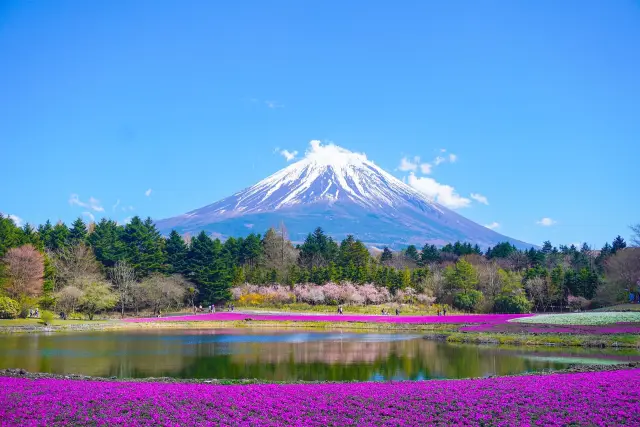
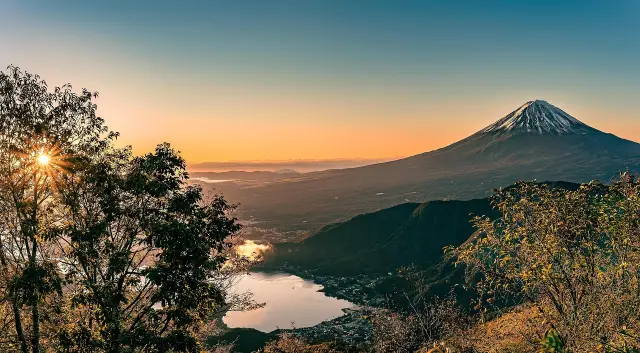
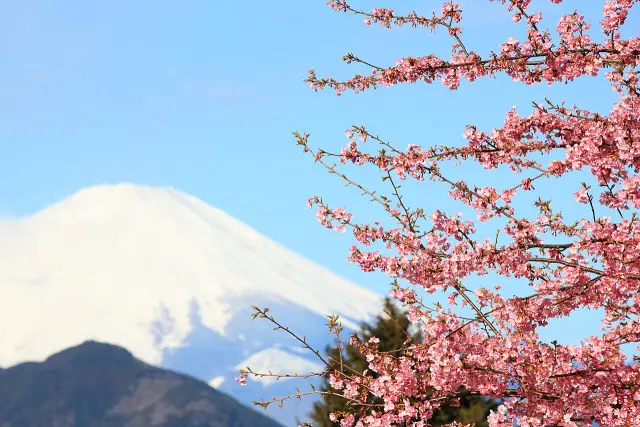
If you're taking kids to Mount Fuji in February or early March, let me tell you right away that the pink moss fields aren't in bloom yet. The Fuji Shibazakura Festival opens around mid-April and ends in late May. But winter is actually when you get the clearest views of Mount Fuji all year, plus you can take the kids to play in the snow and see early-blooming cherry blossoms all in one trip.
This article breaks down month by month what there is to do around Mount Fuji, how suitable it is for young kids, where to stay, and when to book if you really want to see the pink flower carpet.
Around Mount Fuji Calendar: What You Can See Each Month
- February: The coldest period, with thick snow on the summit and frequently clear skies. On weekends, there are often winter fireworks at Lake Kawaguchiko, and Karuizawa ski resorts are fully open.
- Early March: Still cold but beginning to ease. You can still catch the tail end of Kawazu cherry blossoms on the Izu Peninsula, and Japanese strawberries are sweet.
- Mid-April: The Shibazakura Festival opens, with flowers about halfway in bloom and crowds not yet packed.
- Late April to early May: The pink moss is in full bloom and at its most beautiful, but coincides with Japan's Golden Week holidays.
- Mid to late May: The blossoms begin to fade with green leaves showing through, the weather is pleasant, and snow on Mount Fuji's summit thins out.
Why Winter Is Great for Families Wanting to See Mount Fuji
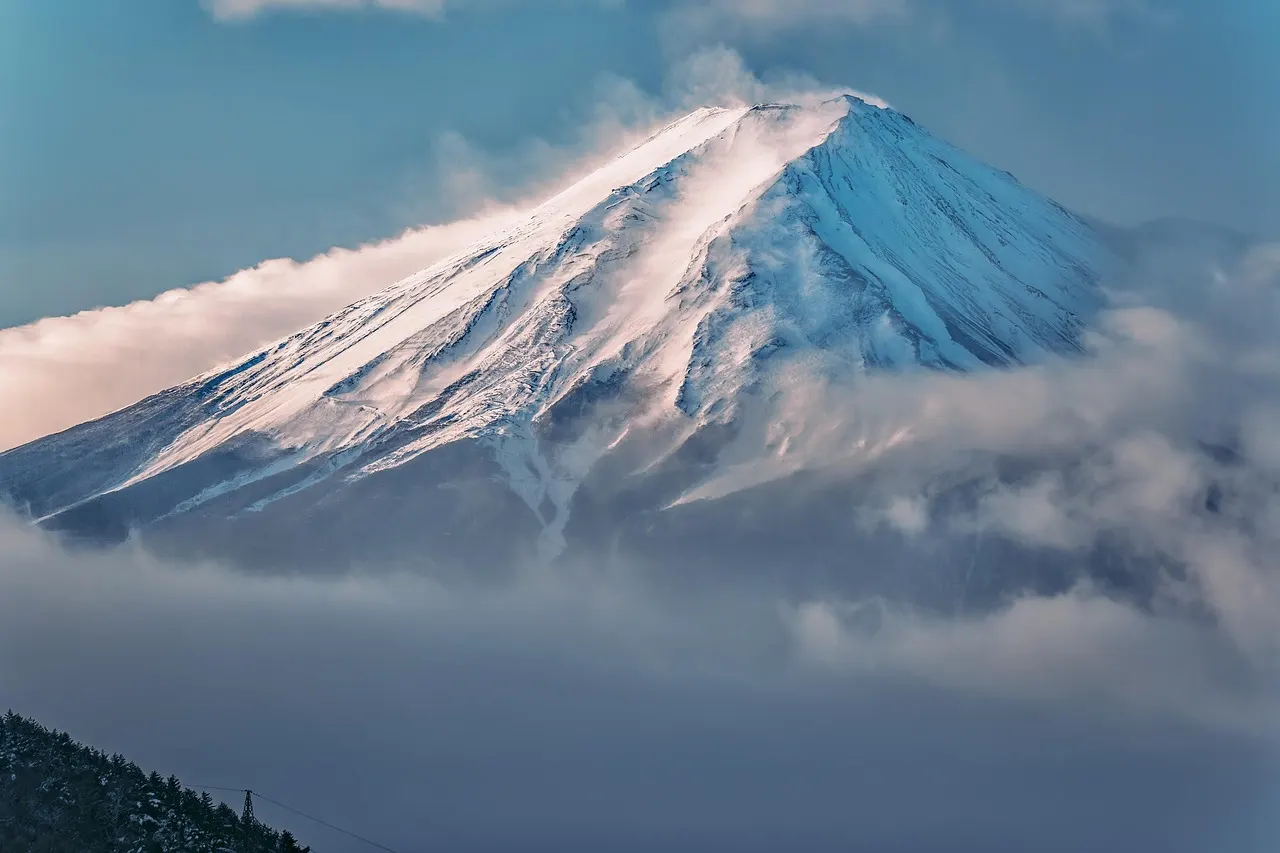
Photo: Kanenori / Pixabay
The weather around Kawaguchiko during this period is around -2 to 10 degrees Celsius, with low humidity and far fewer clouds than in summer. The chances of children seeing Mount Fuji in full view are therefore much higher than in other seasons. The downside is that daylight hours are short and it gets dark early; it's better to plan outdoor activities to finish before late afternoon.
When dressing kids, wearing multiple layers is better than a single thick jacket because heaters are turned up warm inside cars, restaurants, and trains, and stepping outside turns cold immediately. Waterproof gloves and non-slip shoes are essential if playing in the snow.
Taking Kids Around Kawaguchiko: Which Spots Are Easy and Which Are Tiring
- Oishi Park: Flat lakeside paths, stroller-friendly, and the easiest spot for Mount Fuji photos.
- Mt. Fuji Panoramic Ropeway: A quick ride of just a few minutes takes you up high to see both the lake and Mount Fuji; kids love riding the ropeway.
- Oshino Hakkai: Clear spring ponds fed by melting snow with snack stalls along the way, but it gets crowded with narrow paths, so keep an eye on running toddlers.
- Chureito Pagoda: The most iconic view, but requires walking up a long flight of stairs that can be slippery when it snows; if you have small kids, bring a baby carrier instead of a stroller.
On Saturday and Sunday evenings in February, be sure to check the Kawaguchiko Winter Fireworks schedule. The fireworks reflect over the water with Mount Fuji in the background, and you can watch comfortably from your lakeside hotel balcony without taking the kids out into the cold.
Want the Kids to Play in the Snow: Karuizawa, Nagano Prefecture

Photo: Ski Mania / Wikimedia Commons (Public domain)
Karuizawa is a favorite choice for Thai families because it is just a short ride from Tokyo on the Hokuriku Shinkansen, and everything is conveniently close together. February to early March is still ski season at Karuizawa Prince Hotel Ski Resort (snow depth varies by year).
- Older kids and active travelers: Skiing, snowboarding, or snow tubing.
- Toddlers, babies, and non-skiers: Right beside the ski slopes is Karuizawa Prince Shopping Plaza, an open-air outlet mall with over 200 stores, wide walkways, easy stroller access, and plenty of cafes to sit and relax.
- Where to stay: Karuizawa Prince Hotel West is located right next to both the ski area and the outlet mall, so anyone who feels tired can head straight back to the room without making the whole family wait.
Want to See Pink Blossoms in Winter: Kawazu Cherry Blossoms
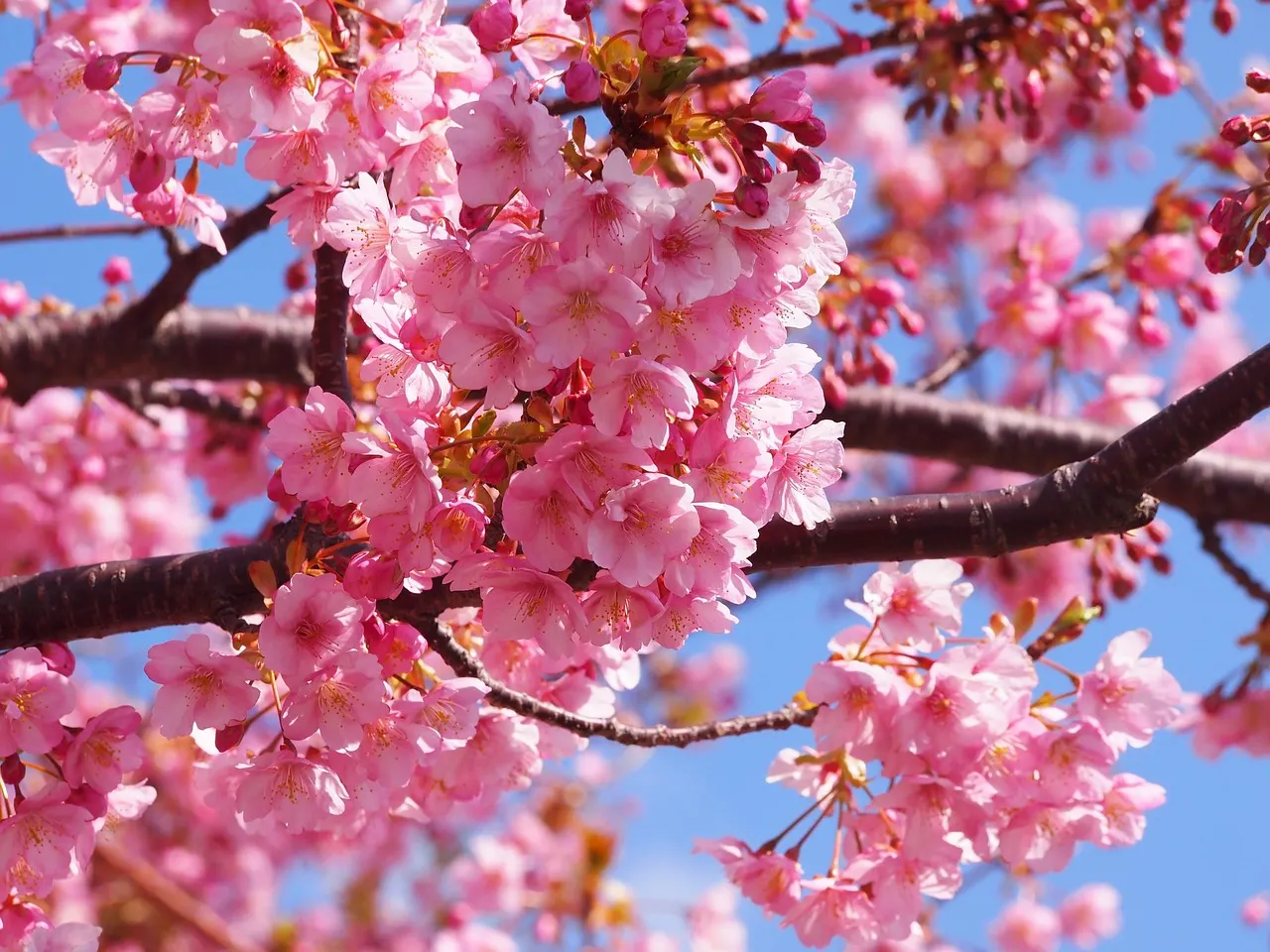
Photo: auntmasako / Pixabay
If your children really want to see pink flowers during this period, head south to the Izu Peninsula in Shizuoka Prefecture. Kawazu cherry blossoms bloom about a month and a half earlier than standard sakura varieties, featuring a deeper pink shade and stretching for kilometers along the riverbanks alongside yellow nanohana field mustard blossoms. Peak bloom is usually from mid-February to early March. This does require adding an extra day of travel, as Izu is in the opposite direction from Karuizawa.
Going a Bit Farther: Snowy Onsens and Historic Towns
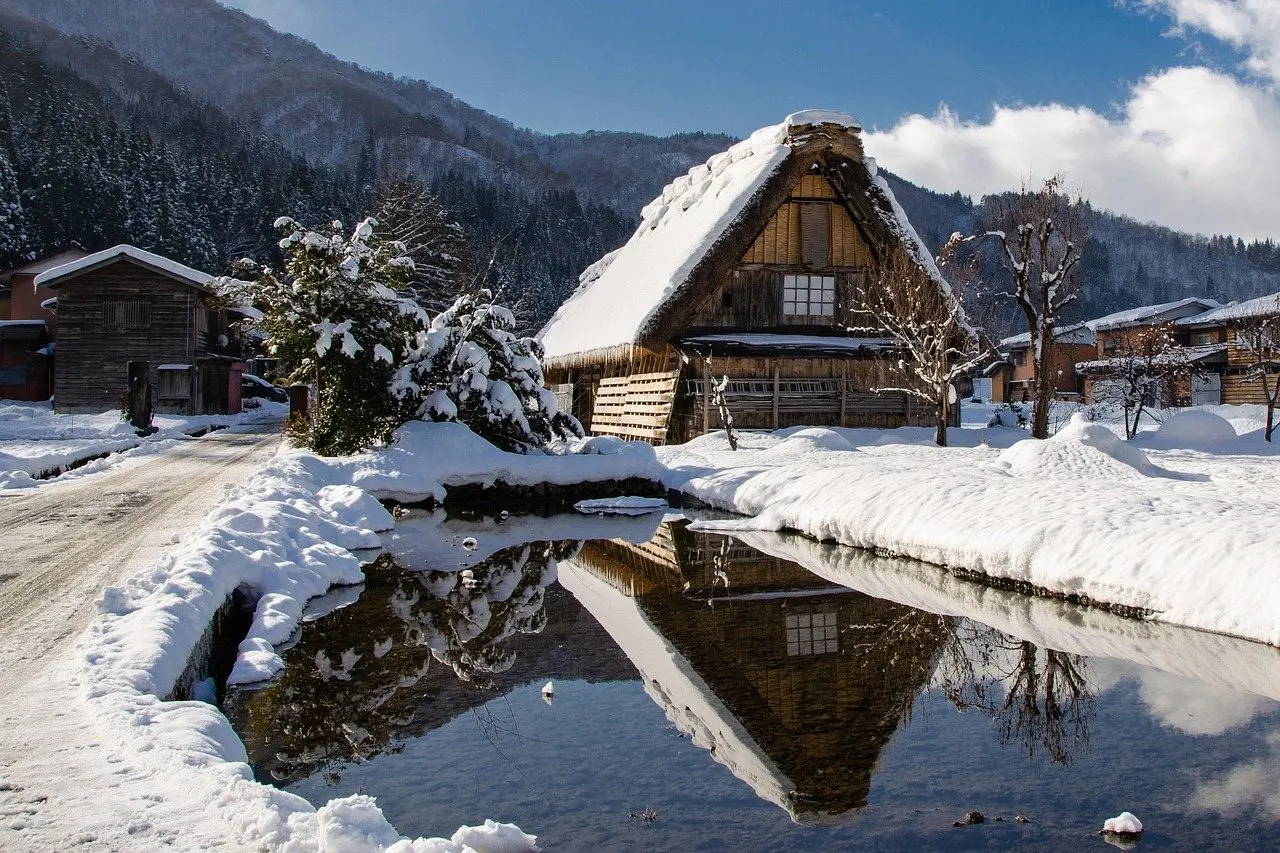
Photo: pen_ash / Pixabay
For families with more than 5 days, February is when the gassho roofs of Shirakawa-go have their thickest snow blanket, or you can relax in hot spring baths in Kusatsu or Nikko. In March, the weather softens, making walking through the historic streets of Takayama or Kawagoe much easier and comfortable for children.
5 Days 4 Nights Family Itinerary (February–Early March)
- Arrive in Tokyo: Check into your hotel, stroll through nearby shopping malls, and let the kids adjust to the time difference and weather.
- Tokyo to Karuizawa: Check in at Karuizawa Prince Hotel West; in the afternoon, split up between playing in the snow and shopping at the outlet.
- Full Day in Karuizawa: Kyu-Karuizawa Street, cafes, snow play area, and stay another night at the same hotel without repacking your bags.
- Karuizawa to Kawaguchiko: Drive around 148 kilometers, roughly a 2-hour drive excluding rest stops. Visit Oishi Park and Oshino Hakkai. Spend the night at a ryokan or hotel with Fuji views and soak in the onsen.
- Morning Fuji View: Catch another view of Mount Fuji or go strawberry picking, then return to Tokyo for your flight home.
This route travels across Nagano Prefecture to Yamanashi. If using the train, you would have to travel back and transfer in Tokyo first. Families with heavy luggage and young children often choose a private van with driver for Day 4. Child seats can be requested in advance, and local drivers are fully equipped with snow tires during the winter season.
If You're Planning to See the Shibazakura Fields: Key Info Before Booking
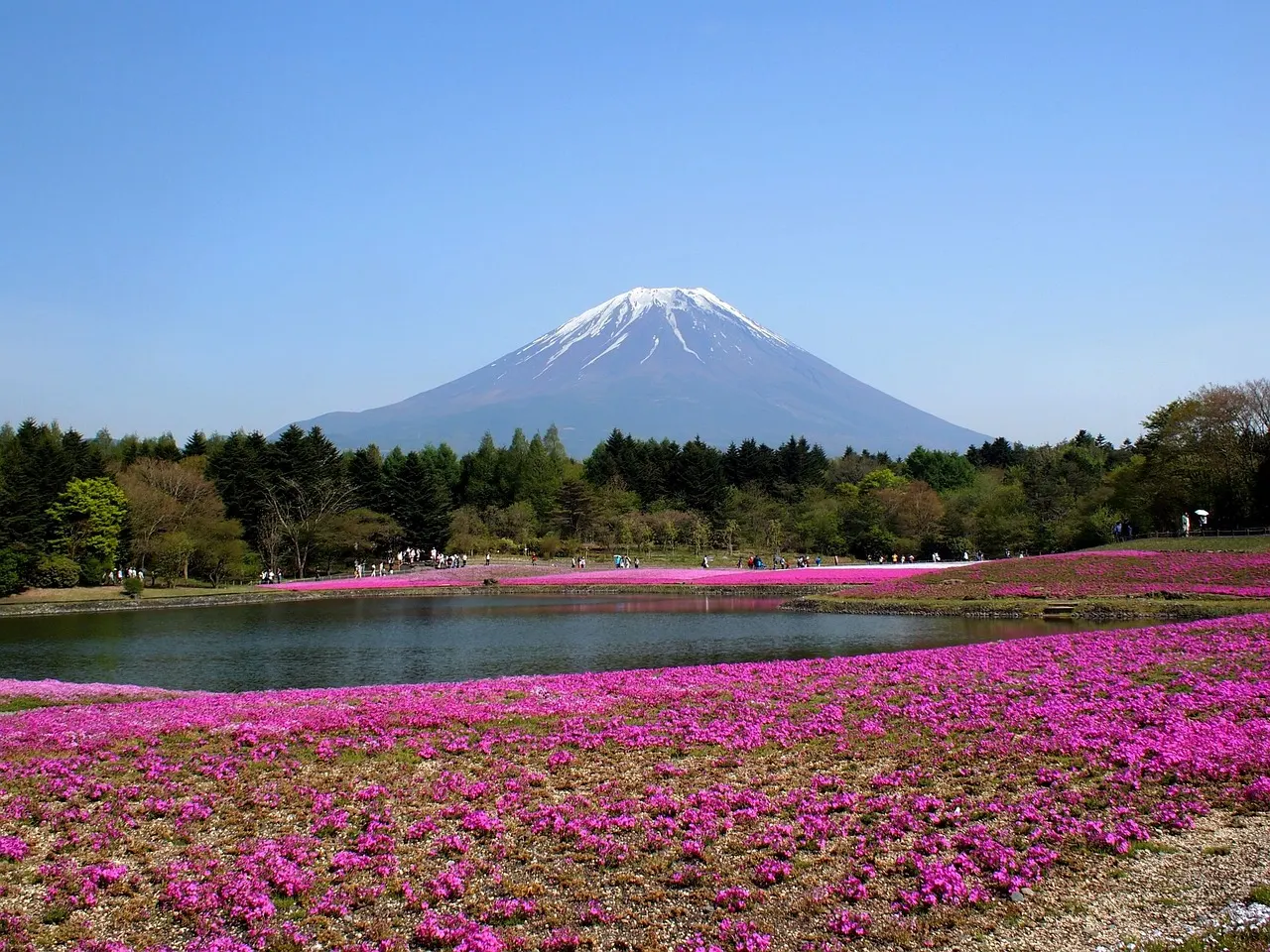
The event is held at Fuji Motosuko Resort, not far from Kawaguchiko, featuring around 500,000 pink moss plants in shades of deep pink, soft pink, white, and light purple.
- Opening Hours: Usually 08:00–16:00, with extended hours on crowded days.
- Admission: Up to around 1,300 yen for adults and up to around 700 yen for children, adjusted according to the blooming stage each year.
- Getting There: The Shibazakura Liner bus from Kawaguchiko Station takes about 30–40 minutes. Return queues can be long during peak times; if traveling with elderly relatives or young children, a private vehicle is far more convenient.
- Festival Highlights: Elevated viewing platforms, photo prop points, regional food stalls serving Mount Fuji specialties (Hoto noodles, Fujinomiya yakisoba, sakura soft-serve ice cream), and warm foot baths.
- Tips: Arrive right when gates open at 8:00 AM. Skies are often clear before mid-morning clouds move in, and morning light ensures the flower colors look soft and vibrant.
Want to see what the festival actually looks like? Read our Fuji Shibazakura Festival review.
Simple Ways to Choose
If you want the pink flower carpet with Mount Fuji, you must visit between mid-April and late May. But if your family's vacation days fall in February or early March, there is no need to postpone: you get clearer views of Mount Fuji's snow peak, fun snow play, and early-blooming Kawazu cherry blossoms instead.
Related tours: Tokyo and Fuji 4 Days 3 Nights (JPN043) and Tokyo Fuji Kyoto Nara Osaka Strawberry Picking 8 Days (JPN052). If you would like to arrange a private trip to Japan with See You Again tailored to your family's travel dates, feel free to chat with us or add LINE 004207289999999.
Planning it yourself?
What independent travellers usually book before they go, from providers that actually work

Partner links · we may earn a small commission when you book, your price stays the same