If you're heading to Mie, the first question to answer is "which month?", because this small prefecture between Nagoya and Osaka changes its look dramatically with the seasons. Spring is all about flower fields, summer suits the sea and the way of life of the ama divers, autumn brings festivals and mountains turning color, and winter is the season of illuminations and plump, rich seafood. This article lays out where to go in Mie season by season, along with getting around the prefecture and what to know before you set off.
Where Is Mie, and What's the Easiest Way In?
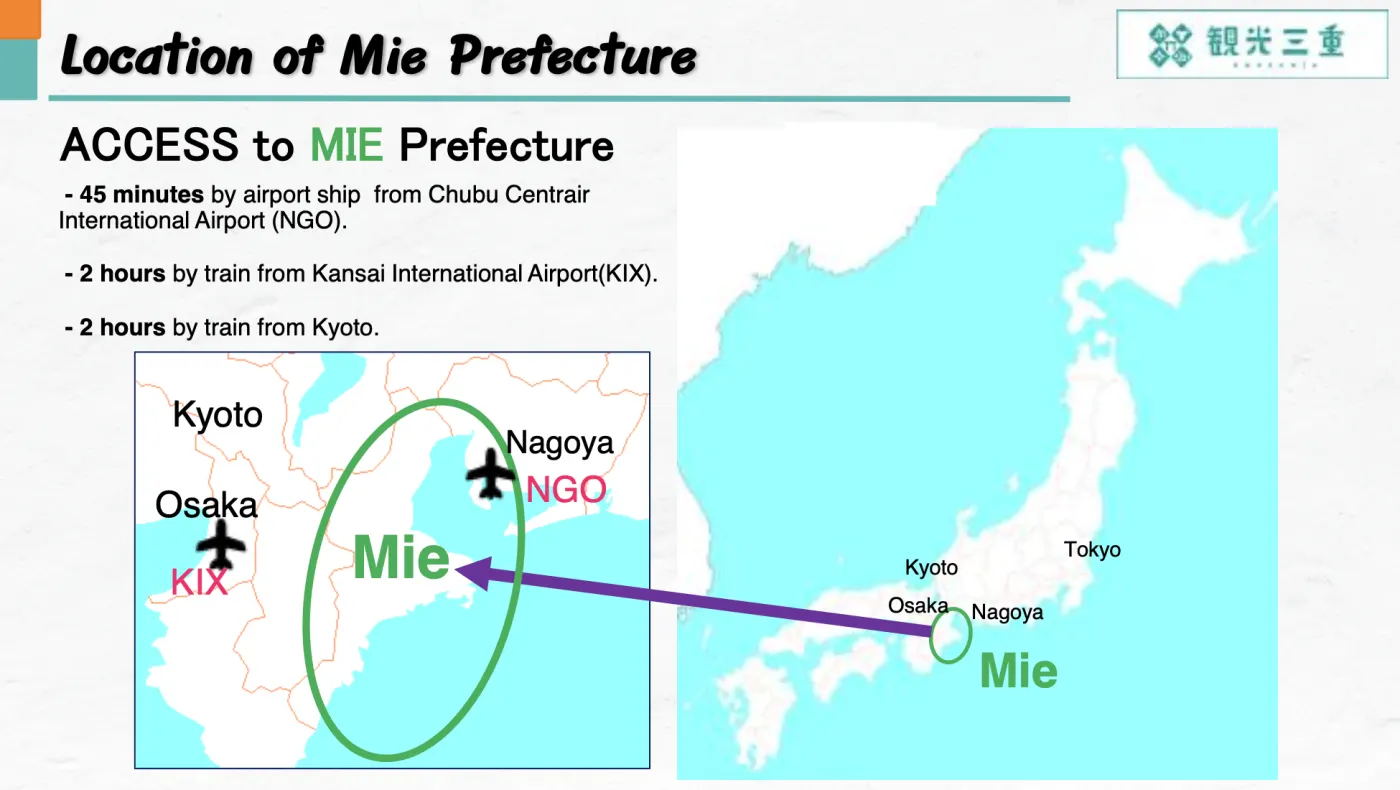
Mie is a long strip of land along Ise Bay. To the north it borders Aichi (Nagoya), to the west Nara and Kyoto, and to the south Wakayama. Most Thai travelers come in one of two ways.
- Fly into Chubu Centrair Airport (NGO): The closest option, with a ferry across the bay from the airport to Tsu that takes about 45 minutes. Ideal if you want to start your trip in central Mie or Ise right away.
- Fly into Kansai (KIX) and continue by train: From Osaka or Kyoto, an express train gets you into the prefecture in about 2 hours. Ideal if you want to combine Kyoto or Nara in the same trip.
Getting Around the Prefecture
The main route through Mie is the Kintetsu railway, which links Nagoya, Osaka and Kyoto with Ise, Toba and Kashikojima. JR lines exist but run less often. The challenge in Mie is that many sights are far from stations and spread out, such as the flower fields in the Shima area, fruit farms or the ama huts by the sea. Traveling on your own means connecting to local buses that don't run often, so families or groups with older travelers usually choose a private car with a driver, which saves a lot of time, especially on days covering several areas.
Spring (March-May): The Season of Flower Fields
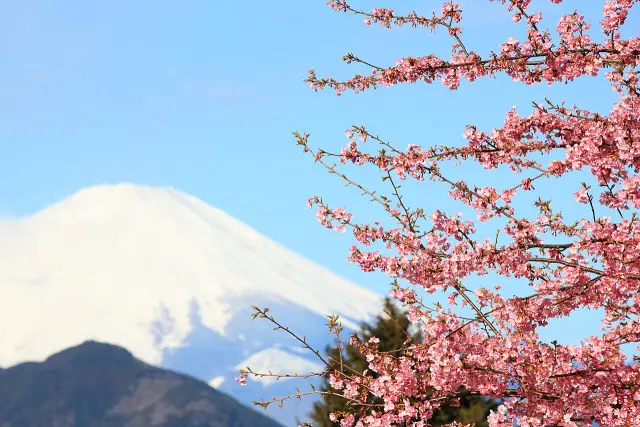
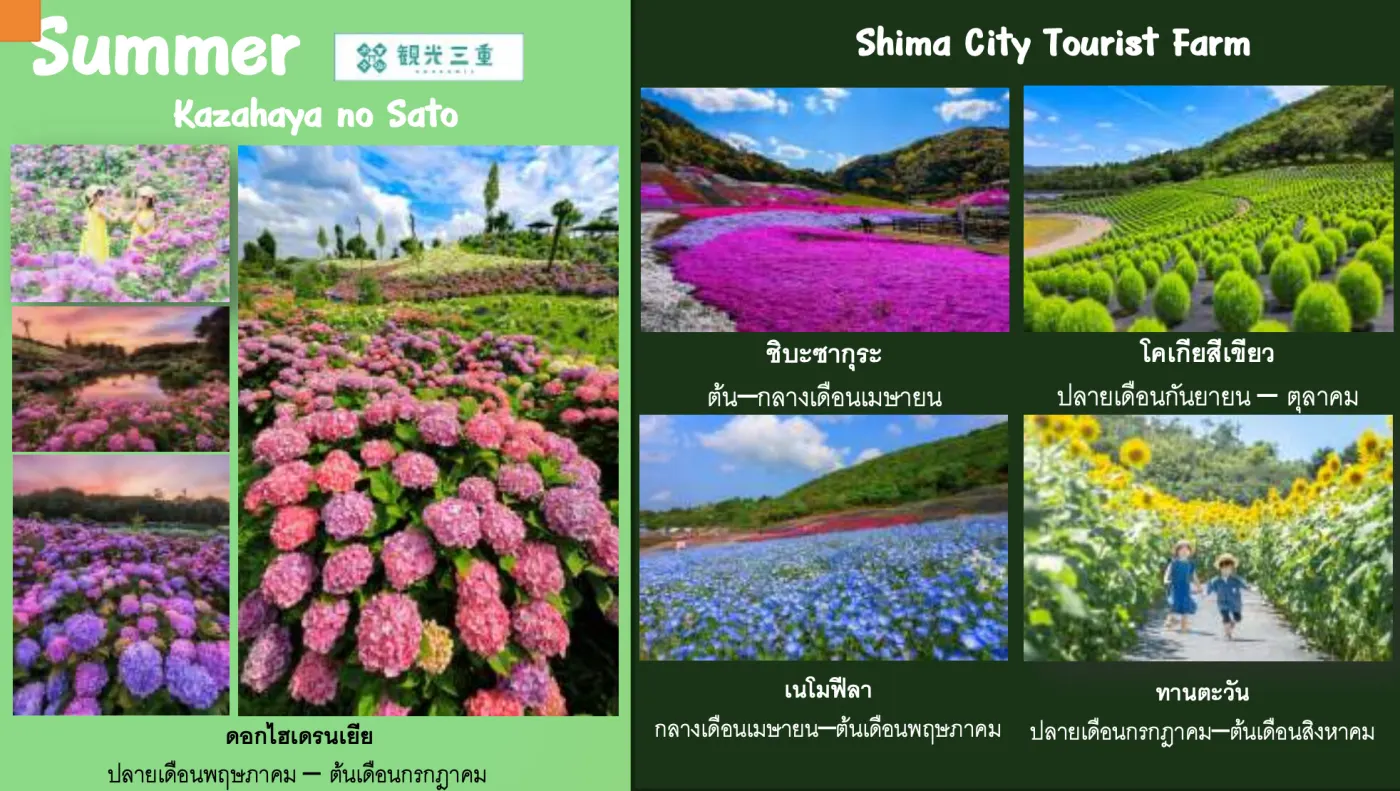
If you love photographing flowers, this is your season. At Shima City Tourist Farm, pink shibazakura carpets the hillsides from early to mid-April, followed by blue nemophila from mid-April to early May. Go in late April and you may see both colors at once if the blooms line up.
- Nabana no Sato: A large garden in the north of the prefecture, near Nagoya. In spring it has flower beds both in greenhouses and outdoors, and in some years the winter illuminations run into this season, so check the event dates for the year you go.
- Strawberry picking: Strawberry season in Mie runs from late winter into spring, perfect for families with children.
Good to know: During Golden Week (late April to early May), huge numbers of Japanese travelers are on the road. Hotels around Ise and Toba fill up fast and prices rise, so if you can, go before or after this period.
Early Summer (Late May-July): Hydrangeas and the Shima Coast
The early summer rains bring the hydrangeas at Kasahaya no Sato into full bloom from late May to early July. On days of light drizzle the colors are even more vivid, but bring a folding umbrella and non-slip shoes, since the garden paths get wet easily.
At the same time, the Toba coast is well worth a visit. The Meoto Iwa wedded rocks, tied together with a shimenawa rope on the Futami shore, are famous for the sun rising between the two rocks around the summer solstice (midyear). Get up early on a clear day and you'll capture the shot Japanese photographers wait for every year.
High Summer (July-August): The Sea, Ama Divers and Theme Parks
The weather is hot and humid, typical of central Japan, so the best activities are by the sea and in the shade.
- Mikimoto Pearl Island in Toba: The birthplace of commercial pearl cultivation, with an air-conditioned pearl museum and diving demonstrations by female ama divers in traditional white outfits.
- Lunch in an ama hut (Ama Hut): Sit around a charcoal fire, listen to stories of diving life, then eat shellfish and shrimp grilled right in front of you. It's an experience you'll find in only a few places in Japan.
- Sunflower fields: At Shima City Tourist Farm, sunflowers bloom from late July to early August.
- Family theme parks: Shima Spain Village, a Spanish-themed park by the sea, and Suzuka Circuit Park next to the famous racetrack, great for days when the kids want to play all day.
- Mijumaru Park: A seaside park themed on the little sea otter Pokemon, a quick photo stop along the way.
Good to know: Obon (mid-August) is a long holiday in Japan. Coastal roads get congested and beach hotels fill up, so book several months ahead, and drink water often, since the sun is fierce.
Autumn (September-November): Festivals, Fall Colors and Fruit
Many people consider this the most comfortable season to visit Mie. The air cools down and you can walk all day without tiring.
Mountains and Fall Color Views
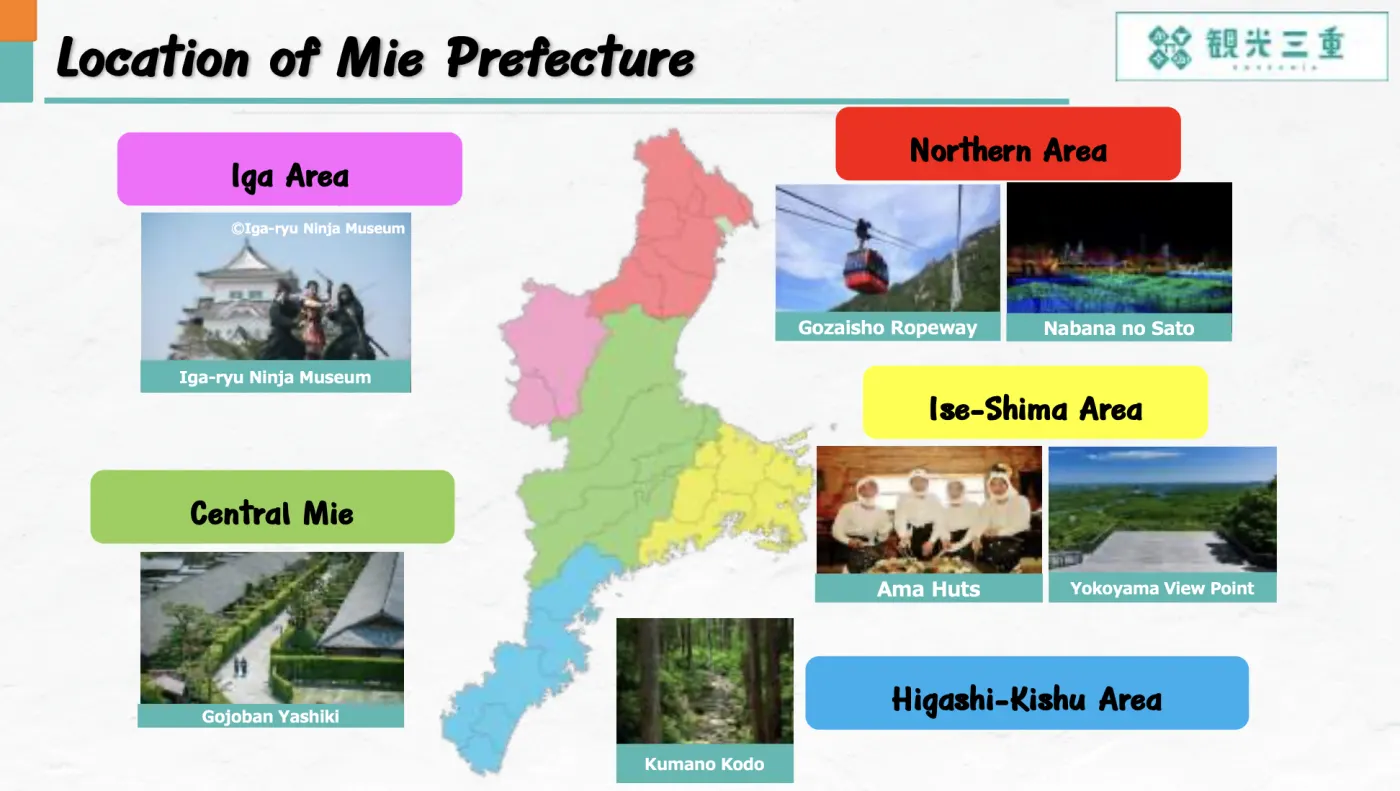
The Gozaisho Ropeway in the Suzuka Mountains carries you up to see red-orange mountainsides and far-reaching views over Ise Bay. The leaves usually start turning at the summit first and then work their way down, so early in the season look at the top, and late in the season look at the middle slopes.
The Ninja Town of Iga and the Ueno Tenjin Festival
Iga lies in the west of the prefecture, near Nara and Kyoto. It's the home of the Iga ninja clans. At the Iga-ryu Ninja Museum you can see a house with hidden doors and escape mechanisms, and shops rent out ninja costumes for strolling and taking photos around Iga Ueno Castle, famous for its high stone walls. In late October the town holds the Ueno Tenjin Festival, whose procession features people in traditional demon masks walking through the streets of the old town. Time your visit right and you'll see a side of Iga that goes beyond ninjas.
Seasonal Fruit Picking
Autumn is the season for grapes, Japanese pears and persimmons, while mandarins start late in the season. Check the picking season for each fruit in the calendar below.
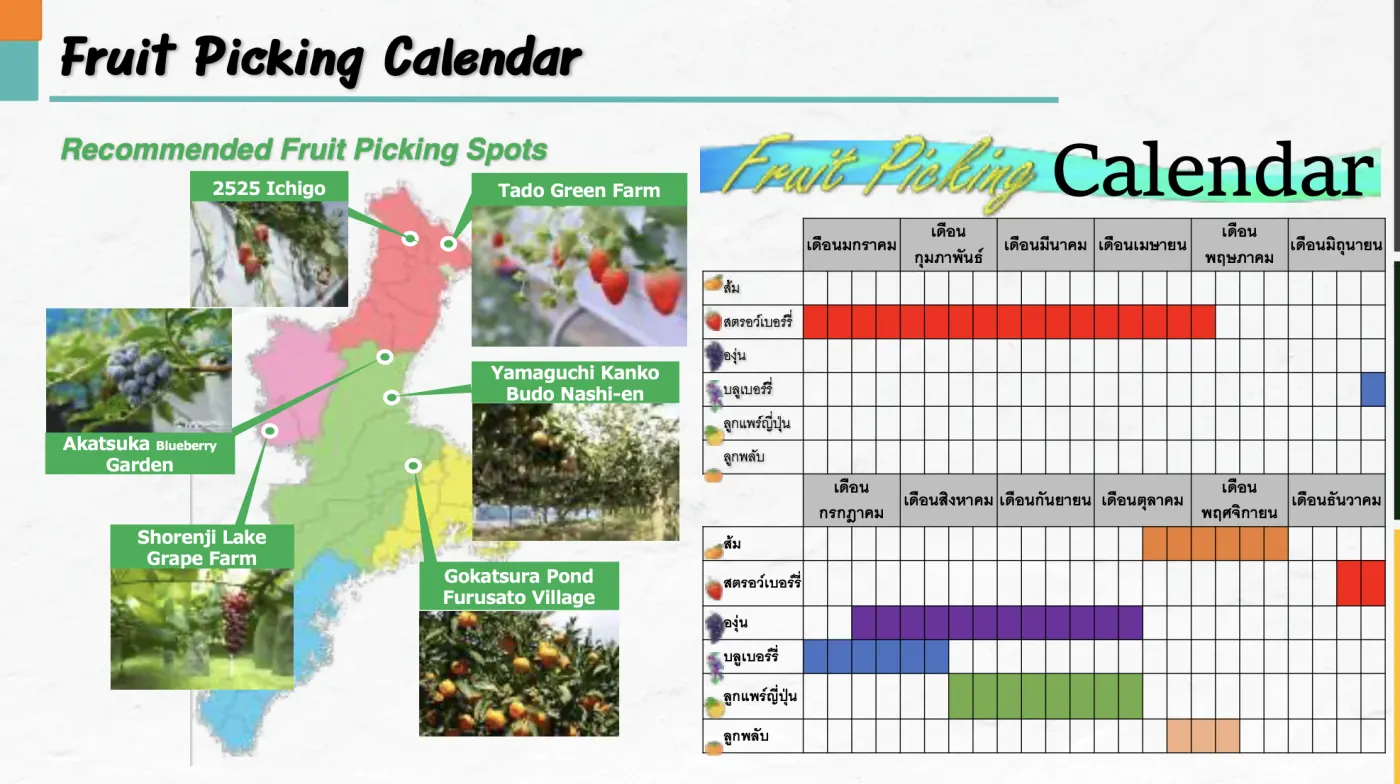
The fields of round green kochia at Shima City Tourist Farm are also on show from late September to October. If you've seen photos of red kochia elsewhere, here you'll catch them in their fresh green phase before they change color.
Winter (December-February): Illuminations, Seafood and New Year Shrine Visits
- Nabana no Sato illuminations: One of the largest illumination events in Japan, with a long tunnel of lights and themed light displays that change every year. It's the main reason people choose to come in winter. Early evenings on weekdays are less crowded than holidays.
- Ise Grand Shrine (Ise Jingu) at New Year: Huge numbers of Japanese come here for their first shrine visit of the year. The atmosphere is lively but very crowded, so if you'd rather avoid the crush, go after January 3.
- Matsusaka beef: Available all year, but cold weather makes it even better for sukiyaki and shabu-shabu. Matsusaka is in central Mie, an easy stop on the way to Ise.
Ise Grand Shrine: Visit in Any Season, but Know the Order of Worship
Whatever month you go, Ise Grand Shrine is the place almost every visitor to Mie stops. It's divided into two main parts, Geku (the Outer Shrine) and Naiku (the Inner Shrine). Custom is to visit Geku first and then Naiku. The two are a fair distance apart and you need to take a vehicle between them, so allow half a day.
In front of Naiku is Okage Yokocho, an old-style lane of wooden houses that's perfect for a stroll after your visit. Try steamed buns filled with Matsusaka beef, akafuku (mochi topped with red bean paste) and Ise udon, known for its distinctively soft, thick noodles.
Etiquette to know: Keep to the left or right as the signs indicate, and don't walk down the middle of the approach. Wash your hands at the purification basin before worshipping. Photography is prohibited at many of the main buildings, so watch for signs and put your camera away when you reach those areas.
Rough Costs and Planning
- Number of days: To cover Ise-Toba, Iga and the north of the prefecture, give Mie at least 3-4 days, then add 1-2 days in Osaka or Nagoya.
- Accommodation: The Ise-Shima area has many seaside ryokan with seafood dinners, while for the north you can stay in Nagoya and do day trips.
- Cash: Small shops in the old lanes, ama huts and some fruit farms still mostly take cash, so carry yen with you.
- Language: Outside the big cities there are fewer English signs, and a driver or guide who can communicate makes the trip much easier.
Choose the Season That Fits Your Style
- Flower lovers: April for shibazakura and nemophila, or June for hydrangeas
- Beach lovers and families: July to August for Pearl Island, the ama huts and theme parks
- Culture lovers: October to November for Iga, festivals and Ise Grand Shrine in cool, pleasant weather
- Illumination and food lovers: December to February for Nabana no Sato and Matsusaka beef
Want a ready-made route? See the program Japan private tour JPN047, Mie Prefecture route, 6 days 5 nights, or if you'd like to include Nara and rural Japan, see JPN046 Nara and rural Japanese life, 7 days 6 nights. Prices depend on the number of travelers and the month; ask us for a quote.
Want to explore Mie privately with See You Again? Message us via chat or LINE 004207289999999 with the month you'd like to go and the number of people, and we'll put together a route that matches the season.
With thanks to Mie Prefecture Tourism Promotion for the information and images.
Planning it yourself?
What independent travellers usually book before they go, from providers that actually work

Partner links · we may earn a small commission when you book, your price stays the same