Yamagata is worth visiting all year, but what you see changes a lot with the month. Winter brings the snow monsters on Mount Zao and Ginzan Onsen under the snow, early summer brings orchards full of ripe cherries, and late autumn brings red leaves around the cliffside temple. So this article is arranged by season, with the real ways to travel from Tokyo and between sights, so you can choose your month and route before booking tickets.
Where Yamagata is and how to get there from Tokyo
Yamagata Prefecture lies on the western side of the Tohoku region, along the Sea of Japan, with mountains on almost every side. The main towns to use as a base are Yamagata city (Yamagata City) in the south and Shinjo (Shinjo) in the north.
- The Yamagata Shinkansen (Tsubasa) leaves from Tokyo station, runs along the Tohoku line and branches off into the prefecture at Fukushima. It reaches Yamagata station in about 2 and a half hours, and Shinjo in about 3 and a half hours. This line is covered by the JR Pass and the JR East Pass (Tohoku area).
- By air there is Yamagata Airport (in Higashine) and Shonai Airport (on the coast, near Tsuruoka). Most flights connect from Haneda. This suits travelers visiting the Dewa Sanzan side.
- By car or private car it takes only about an hour from Sendai over the mountains to Yamagata city, so many people combine Sendai and Yamagata in one trip.
Getting around the prefecture: how to reach each sight
The main sights are spread out across the valleys, and each one is served by a different kind of transport. Know this before you plan where to sleep each night.
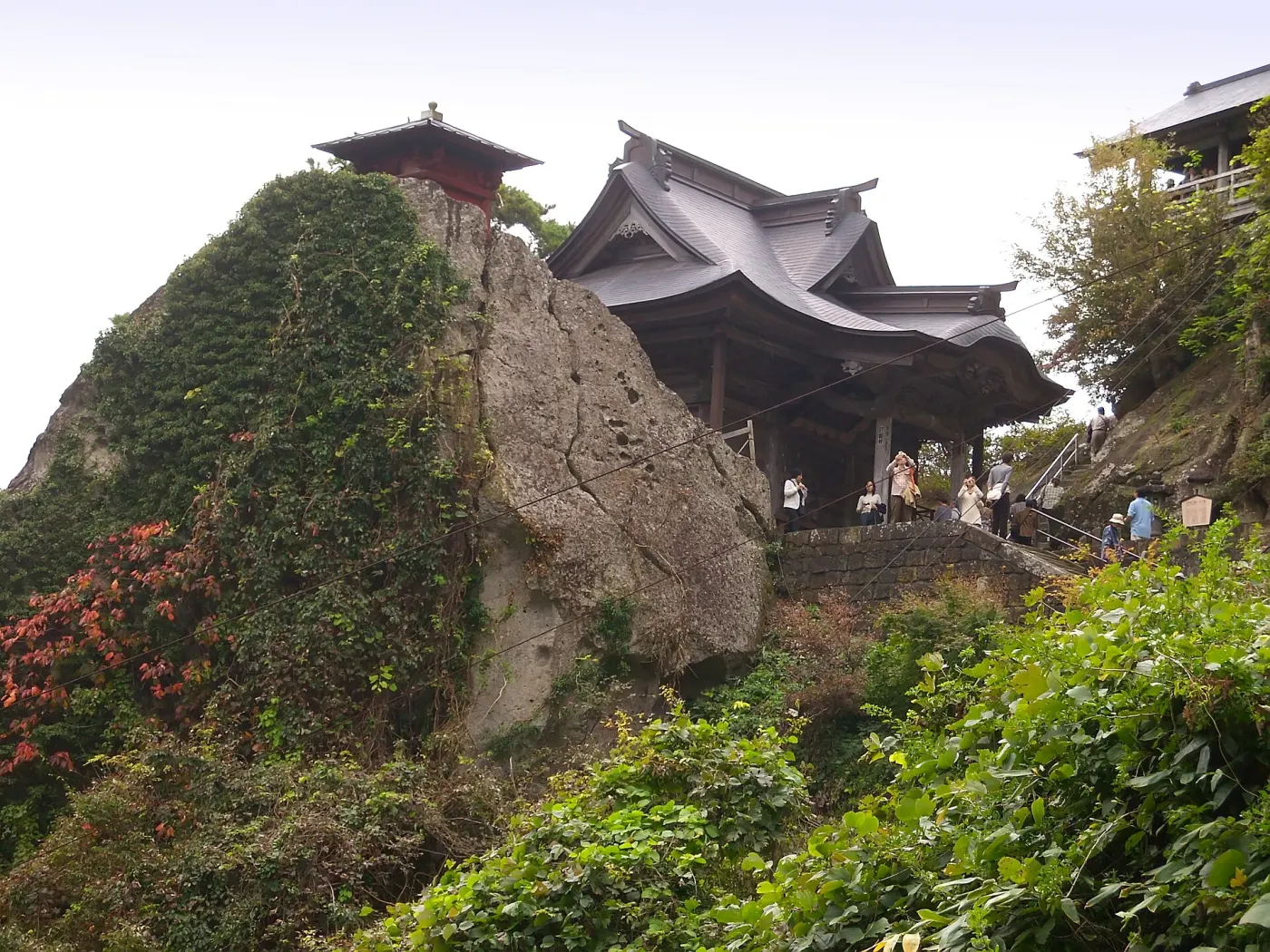
- Yamadera temple Take the JR Senzan line from Yamagata station, about 20 minutes, get off at Yamadera station and walk to the temple entrance. The climb is about a thousand stone steps, so allow at least 2 hours to go up and down.
- Zao Onsen Buses leave from in front of Yamagata station and take about 40 minutes. The last stop is near the ropeway station.
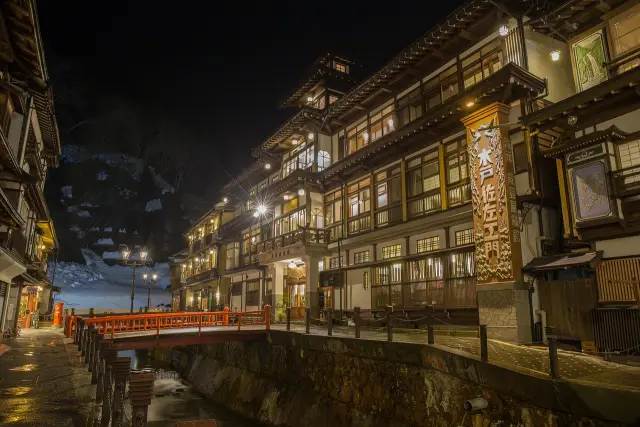
- Ginzan Onsen Get off the shinkansen at Oishida station (Oishida), then take a bus or the ryokan shuttle up the mountain for about 40 more minutes. Regular cars cannot drive into the village by the stream.
- Mogami River cruise The main boat pier is near Furukuchi station (Furukuchi) on the JR Rikuu East Line, which continues from Shinjo. This line has only a few trains a day, so check the timetable carefully.
- Tsuruoka and Mount Haguro are on the other side of the prefecture. You have to cross the mountains from Shinjo or fly into Shonai, so with less than 5 days, this side is usually left out.
In short, if you travel on your own by train, split the trip into two bases: the Yamagata city side (Yamadera, Zao, Kaminoyama) and the north (Ginzan, the Mogami River). For families with elderly travelers or lots of luggage, a private car with driver greatly reduces the changes onto branch lines with few trains.
Winter (December-February): snow monsters and onsen under the snow
This is when Thai travelers ask about Yamagata the most, because you get to see truly deep snow.
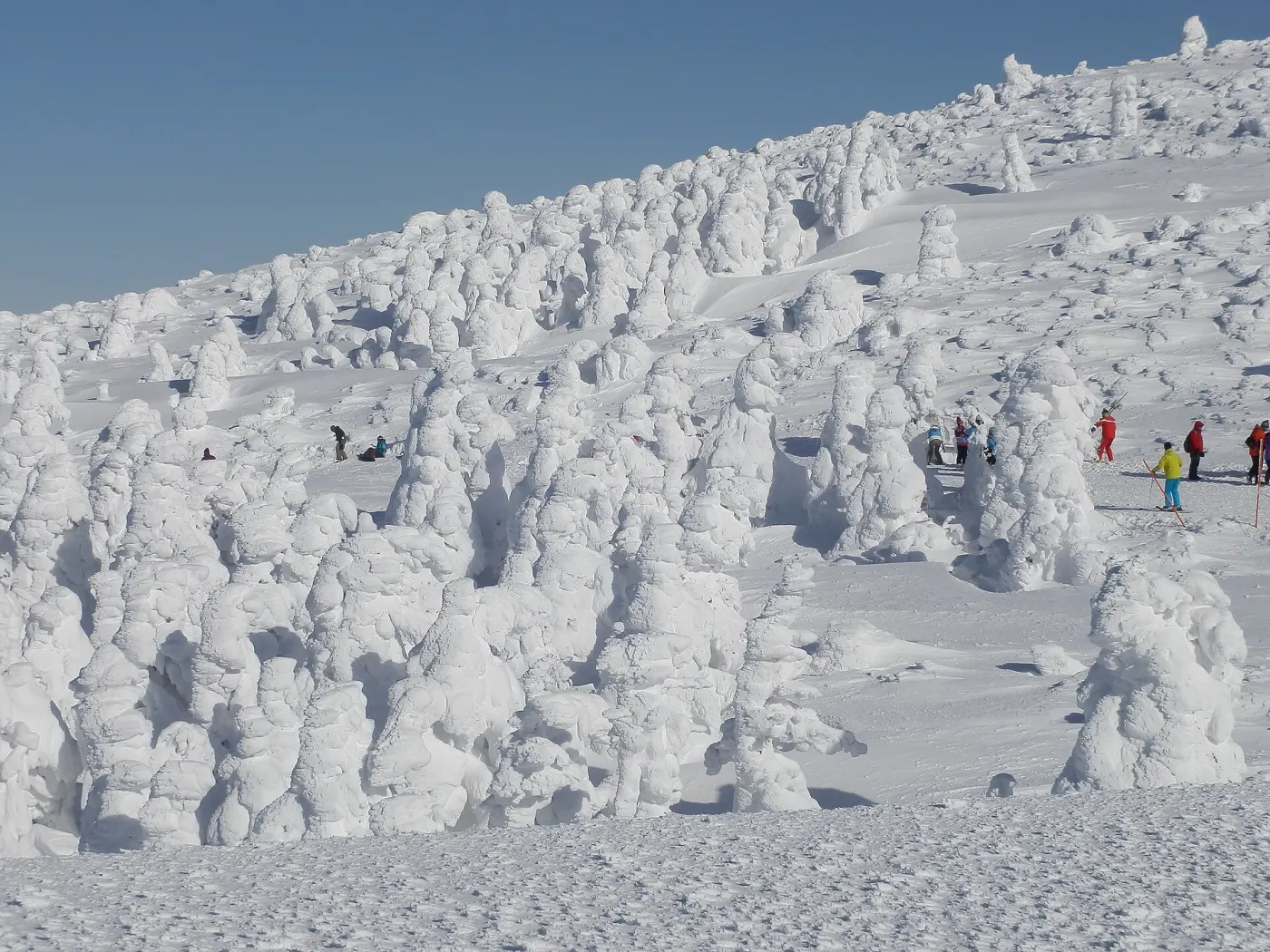
- The snow monsters (Juhyo) of Zao form when cold winds blow ice droplets onto the fir trees until they become strangely shaped lumps. They are usually at their best from late January to mid-February. Go up by the two-stage ropeway to the summit station; on some nights they are lit up for viewing.
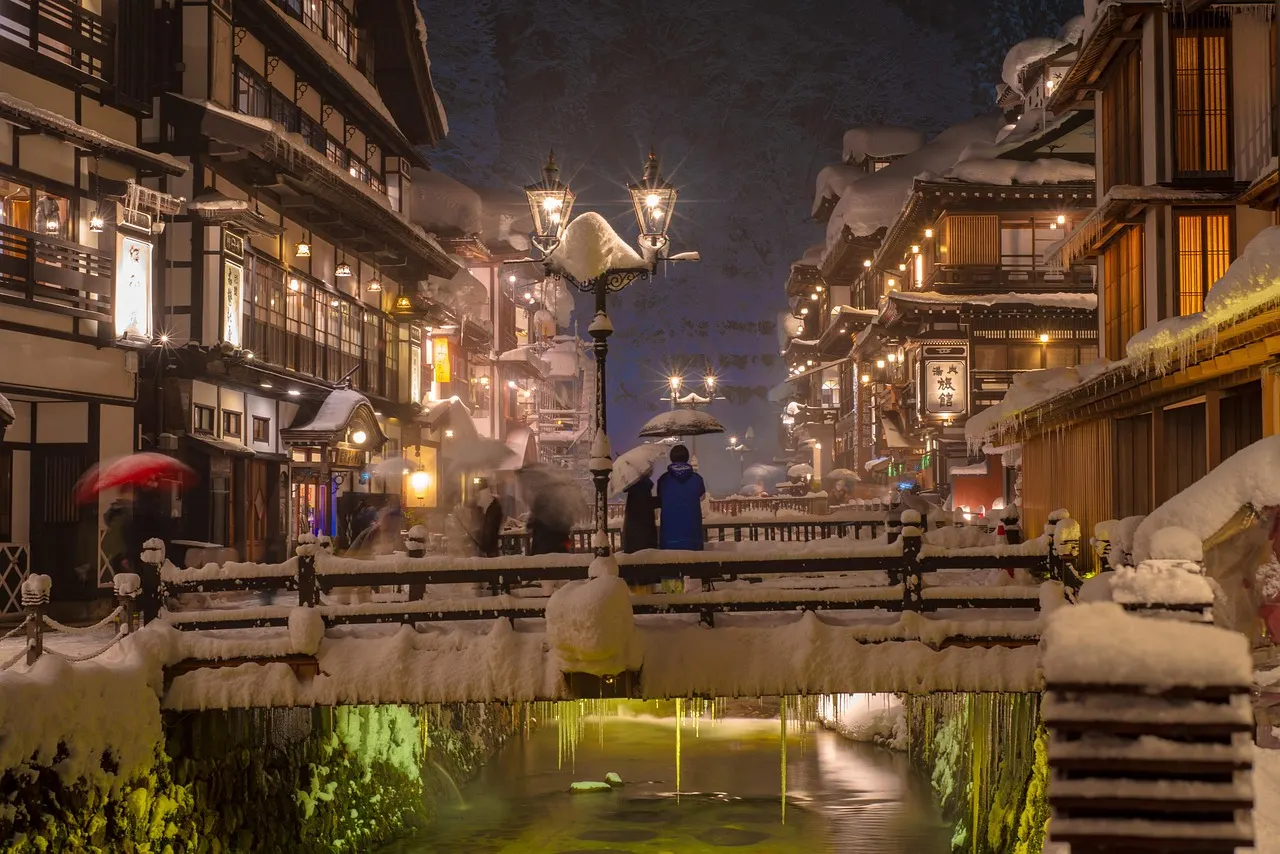
- Ginzan Onsen under the snow The picture of wooden ryokan and lamps along the stream that everyone sees on social media is from this season. But winter is very crowded, so the village limits visitors who are not staying overnight in the evening. Check the latest announcements before you go. If you want to see it at night without the crowds, the surest way is to stay in the village.
- Getting ready The top of Zao can drop more than ten degrees below zero, with strong winds. Bring a windbreaker, gloves, a hat that covers your ears and non-slip shoes. Trains and the ropeway may stop because of snow, so keep a spare day in your plan.
Spring (April-May): cherry blossoms later than Tokyo
Cherry blossoms in Yamagata bloom about two weeks later than in Tokyo. In the city they usually bloom from mid to late April, while higher areas like Zao still have snow left. So if you miss the cherry blossoms in Tokyo, you can come up and catch them here. The weather is pleasant at this time, which makes it a good season to climb Yamadera, since the steps are neither slippery nor hot.
Early summer (June-August): cherry season and festivals
- Sakuranbo cherries Yamagata grows more cherries than anywhere else in Japan. Orchards open for picking from around mid-June to early July, and the Higashine and Sagae area has plenty to choose from. The season is short and shifts with each year's weather.
- The Hanagasa Festival In early August, parades of dancers carrying flower-decorated hats move through the middle of Yamagata city. It is one of the big summer festivals of Tohoku, and hotels in the city fill up fast.
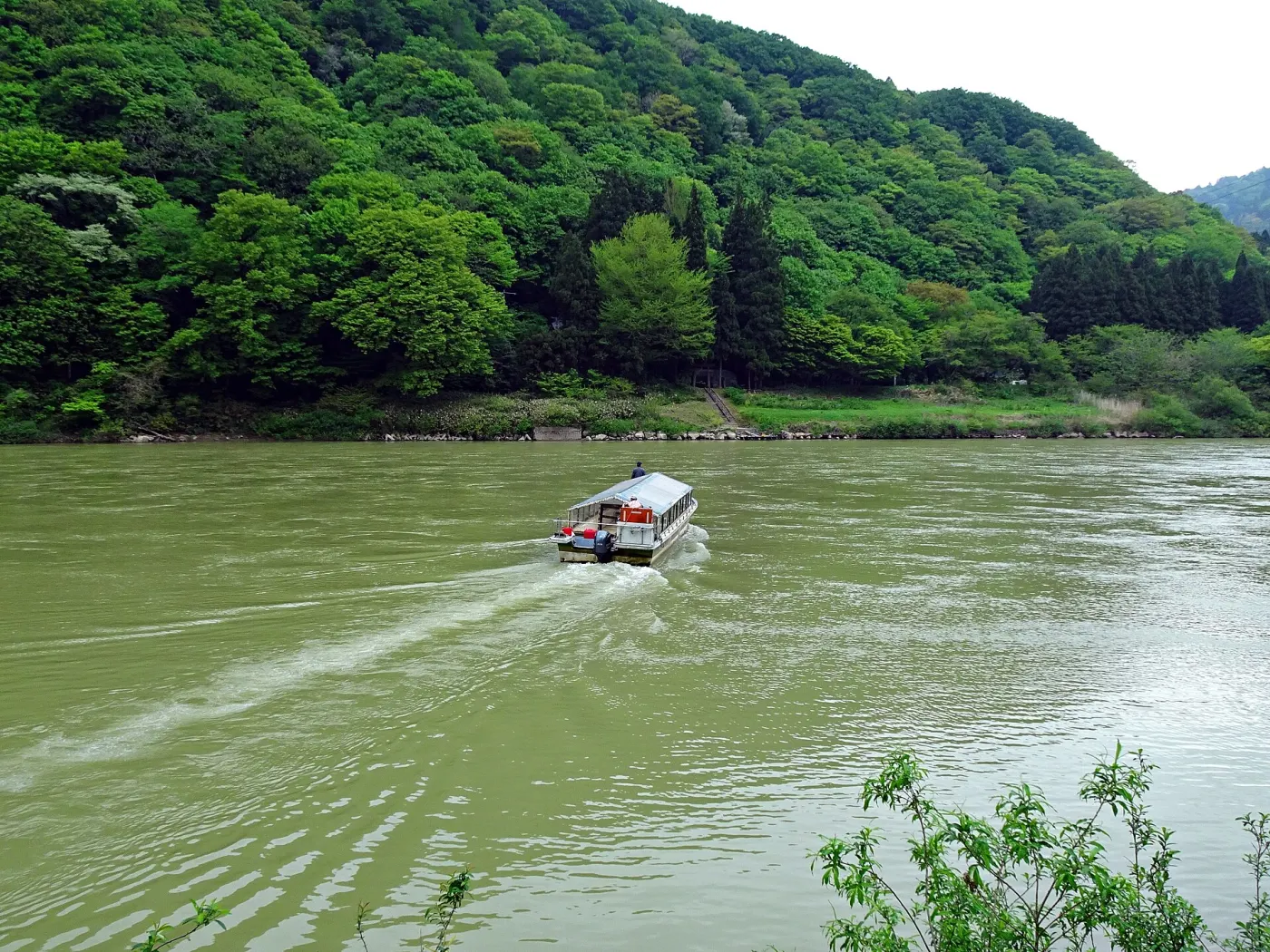
- Mogami River cruise In summer both banks of the river are green across the whole valley, the breeze on the boat helps you cool off, and it is the time when trains and boats run most on schedule.
- Summer food Try hiyashi ramen, a cold-broth ramen that the people of Yamagata invented, and dashi, finely chopped vegetables served over steamed rice.
Autumn (September-November): imoni pots and red leaves on the cliffs
- Imoni A taro soup with beef and green onions, the signature autumn dish of Yamagata. Locals meet up to cook pots of it by the river, and in September the city holds an imoni festival cooked in a giant pot.
- Autumn colors start in the high areas first, around early to mid-October at Zao, then move down to Yamadera and Ginzan from late October to early November. If you go in late October, you can see both in one trip.
- Fruit La France pears, grapes and apples come into season now, and you can buy them as souvenirs at the market in front of the station.
Costs to know before you go
Accommodation is the biggest cost of a Yamagata trip, because many people want to stay at a ryokan with dinner and breakfast included. Good ryokan in the prefecture charge per person per night, with the top ones reaching about 45,000 yen, and the most exclusive places in Ginzan start at about 50,000 yen per person per night (approximate prices, depending on season and room type). Other things to know:
- Ryokan in Ginzan have very few rooms, so in winter book several months ahead.
- Many small shops and local buses still take cash only, so carry yen with you.
- Ropeway fares, temple admission and cruise fares can go up every year. Check each place's official website before you travel.
Language and etiquette tips
- Outside the city, few people speak English, and some signs in the onsen villages are only in Japanese. Have a translation app that can read signs with the camera.
- Yamadera is still a working temple with resident monks, and the upper part is quiet, so don't play sounds or talk loudly.
- In ryokan communal baths, wash before getting into the bath and never put your towel in the water. Some places do not accept guests with tattoos; if you have any, ask to book a private bath.
- Ryokan dinners are served at the agreed time, so if you are arriving late, call the ryokan to let them know.
Choosing the month for the trip you want
- To see snow at its fullest Late January to mid-February, with one night at Zao and one night at Ginzan
- With elderly travelers who want easy walking May or late October, when the weather is pleasantly cool and the paths are free of snow
- For lovers of fruit and festivals June to early August
- For autumn leaf photographers Late October to early November
A private Yamagata trip with See You Again
If you want to combine Yamagata with other prefectures in Tohoku, we arrange a private car with driver and plan the order of your stays to suit the season you travel. See examples of northern Japan trips we have run:
- Japan private tour (JPN037) Northern Japan, from the Nikko shrines to the Geibikei boat ride, 5 days 4 nights
- Japan private tour (JPN026) Adventures in Akita, 5 days 4 nights
- Japan private tour (JPN028) Akita, culture and nature, 8 days 7 nights
Read my full Yamagata review, covering both the ryokan and the 5-day program, at seeyouagaintour.com. For questions or help planning, message me, Rin, on LINE 004207289999999 or call 083 035 9755 (10.00-17.00).
Planning it yourself?
What independent travellers usually book before they go, from providers that actually work

Partner links · we may earn a small commission when you book, your price stays the same