Bathing in a Japanese onsen is not as hard as you might think. Just remember three rules: wash thoroughly before getting into the bath, don't let your towel or hair touch the water, and keep quiet. As for the things that make first-timers hesitate most, such as whether you have to be naked, whether tattoos are allowed or which town to choose, this article goes through them one by one.
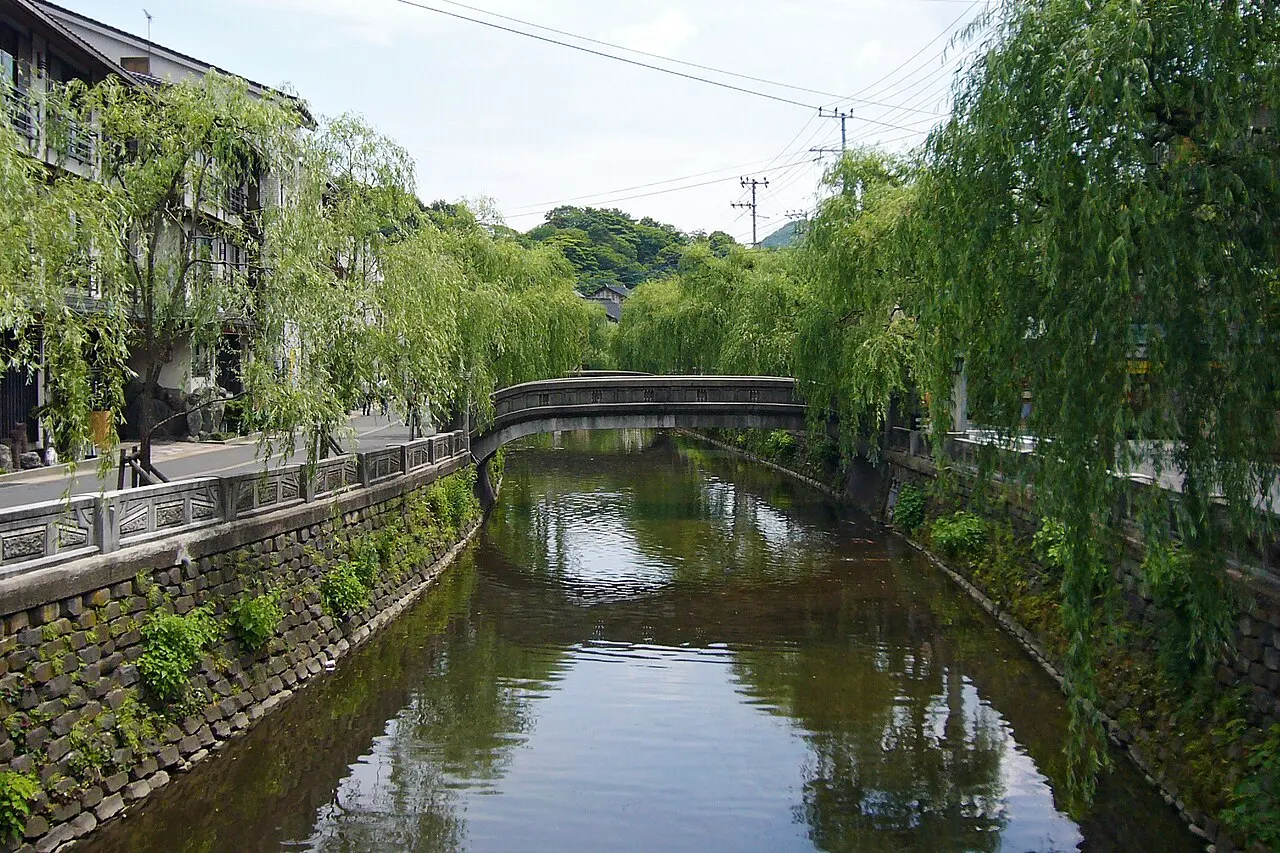
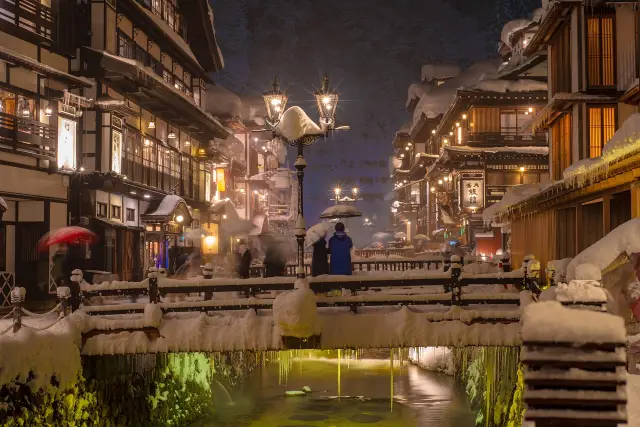
Photo: 663highland / Wikimedia Commons (CC BY 2.5)
What is an onsen, and how is it different from an ordinary bathhouse?
The word onsen (温泉) means a natural underground hot spring containing minerals. Japan sits on a volcanic belt, so hot springs are found in almost every prefecture. A "sento," on the other hand, is a public bathhouse in town that uses heated tap water. Japanese people use both as part of daily life; they are not just a tourist activity.
These are the types you will come across most often:
- Uchiyu an indoor bath, ideal on very cold days
- Rotenburo an outdoor bath with views of mountains, sea or snow, the iconic image of a Japanese onsen
- Kashikiri a private bath booked by time slot, used only by your family or partner
- Rooms with their own bath found in ryokan and mid-range to luxury hotels
- Ashiyu a roadside footbath, free or for a small fee, that you can try without undressing
Bathing in an onsen step by step
1. Check the curtain before entering
Most shared baths are separated by gender. The blue curtain with the character 男 is the men's side, and the red curtain with 女 is the women's side. Many ryokan swap the men's and women's sides between evening and morning so guests can try both baths, so read the sign every time before you walk in.
2. The changing room
Take off all your clothes and put them in a basket or locker. Traditional onsen do not allow swimsuits. Take only one small towel with you, and leave the large towel for drying off when you come out.
3. Wash thoroughly before getting in
Sit on the low stool in front of a faucet, shampoo your hair and soap yourself properly, and rinse off all the suds. Put the stool and basin back in place, then scoop some bath water and pour it gently over your body (kakeyu) to let it adjust to the temperature.
4. Soak politely
- Never dip the small towel into the bath; you can put it on your head or on the edge of the bath
- Tie up long hair so the ends don't touch the water
- No swimming, no diving, no washing clothes in the bath
- Speak softly, and don't use phones or cameras in the bathing area
5. Getting out
Wring out your small towel and pat yourself roughly dry before walking back to the changing room, so the floor doesn't get soaked. Many people don't rinse off the mineral water, believing the minerals keep working, but if it is a strongly acidic sulfur bath or you have sensitive skin, rinsing once more with clean water will feel more comfortable.
Questions Thai travelers often ask
Can I get in if I have tattoos?
Many places still post signs banning people with tattoos. Some allow you in if you can fully cover them with patches, and more and more places have no restrictions at all. The easiest way is to choose accommodation with an in-room bath or a kashikiri bath, and always ask the property before booking.
How long should I soak?
The water is usually around 40-42 degrees. Soaking for 5-10 minutes at a time and then sitting out for a rest is safer than one long soak. Drink water before and after bathing, and avoid getting in right after drinking alcohol or a big meal. Elderly travelers, people with heart conditions or high blood pressure, and pregnant women should consult a doctor before traveling.
Can small children come along?
Most places let children enter the shared bath with a parent of the same gender, but children still in diapers are usually not allowed in shared baths, so families with little ones often book a private bath.
What should I bring?
Almost all ryokan and onsen hotels provide towels, soap, shampoo and a yukata. If you go to a public day-use bath, you may need to buy or rent a towel at the counter. Carry some yen coins for the lockers too.
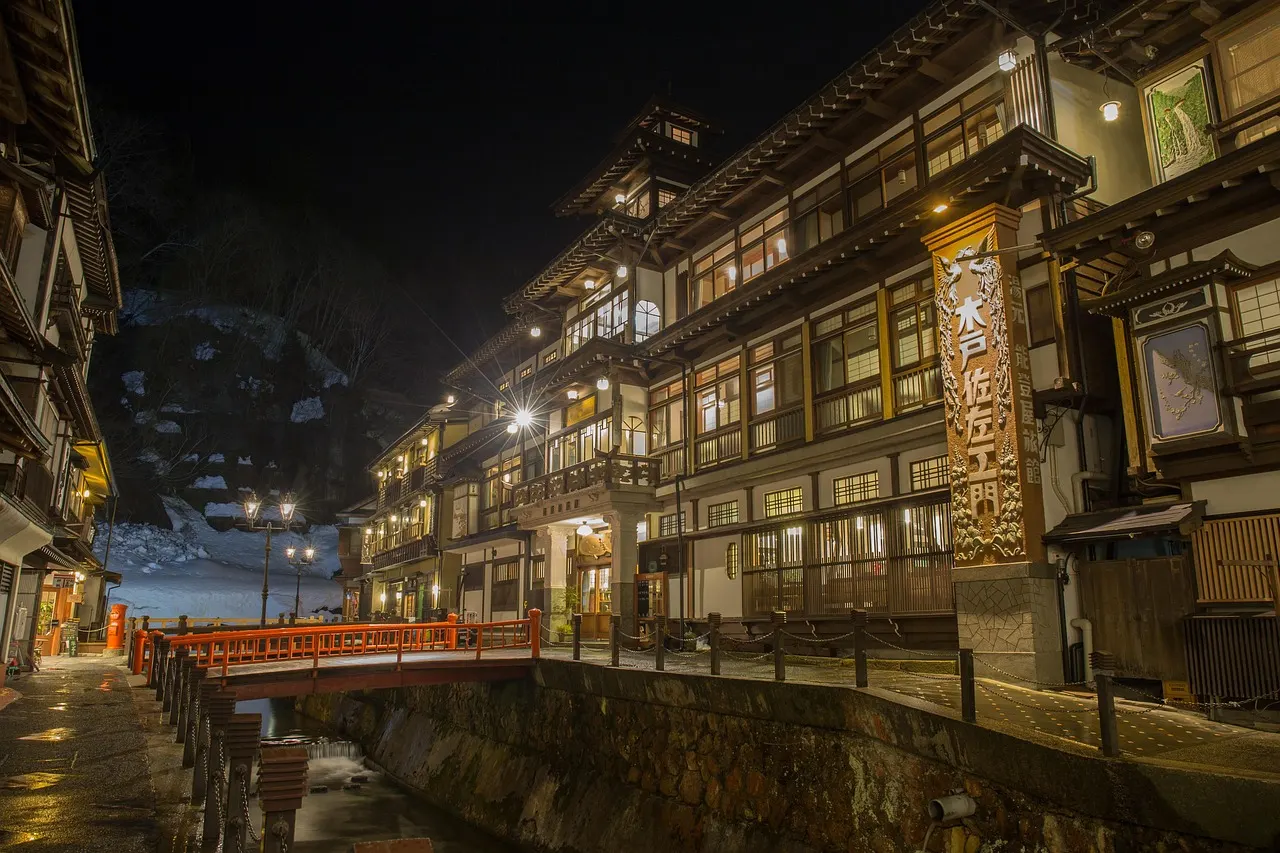
Photo: Pixabay / AG2016
One night at a ryokan
Staying at a ryokan is the experience that makes the onsen complete. The day usually goes like this:
- Check in during the afternoon Take off your shoes in the entrance hall, change into slippers, and take off the slippers again before stepping onto the tatami mats.
- Wear the yukata Always wrap the left side over the right (right over left is for the deceased). You can wear it around the building, to the baths or to meals.
- Kaiseki dinner Several seasonal courses, usually served at a set time. Mention food allergies or not eating beef when you book.
- Futon bedding Staff lay it out for you while you are at dinner.
- A morning soak The baths are usually least crowded in the morning, and the sides may have swapped so you can try a new one.
In onsen towns like Kinosaki or Ginzan, guests stroll around town in the evening in yukata and wooden geta sandals, a scene you won't find in big cities.
Choose an onsen town that fits your route
Instead of chasing rankings, choose from the regions already in your travel plan; you will save a lot of travel time.
Hokkaido
Fly into Sapporo and take the limited express train south. You will pass Noboribetsu, with many kinds of mineral water and a valley of sulfur steam; Lake Toya, where in summer there are fireworks over the lake almost every night; and seaside Yunokawa, which you can reach by streetcar from central Hakodate. In winter the snow is heavy and some roads are slippery, so a car with driver makes the journey more comfortable.
Tohoku
Ginzan in Yamagata is most beautiful when snow covers the roofs of its wooden ryokan and the gas lamps light up in the evening. There are few rooms in town, so you need to book far ahead. Non-guests can walk around, but in winter private cars are restricted from entering the town, so you need to take the bus or your accommodation's shuttle.
Kanto and around Mount Fuji
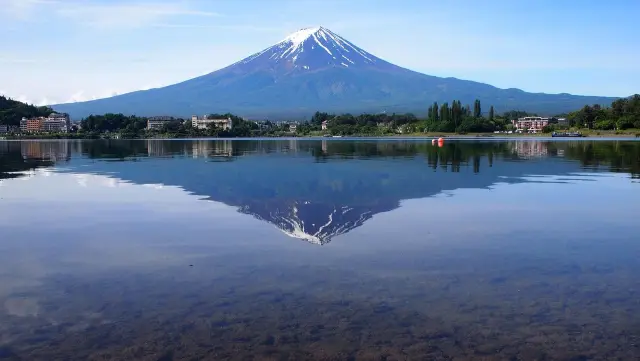
Closest to Tokyo and ideal for short trips. Kawaguchiko offers views of Fuji from the bath, Atami is by the sea less than an hour by shinkansen, and Kusatsu in Gunma is famous for its strongly acidic water and the Yubatake in the middle of town. All of them can be added to a Tokyo trip for 1-2 nights.
Kansai
Arima lies behind Kobe and can be done as a day trip from Osaka, with rare golden, iron-rich water. Kinosaki is on the Sea of Japan; winter is Matsuba crab season, and ryokan guests get a pass to all seven bathhouses in town.
Kyushu
Beppu has the largest hot spring output in the country. Besides bathing, there are colorful pools to walk around and hot sand bath spas. It is about two hours by train from Fukuoka.
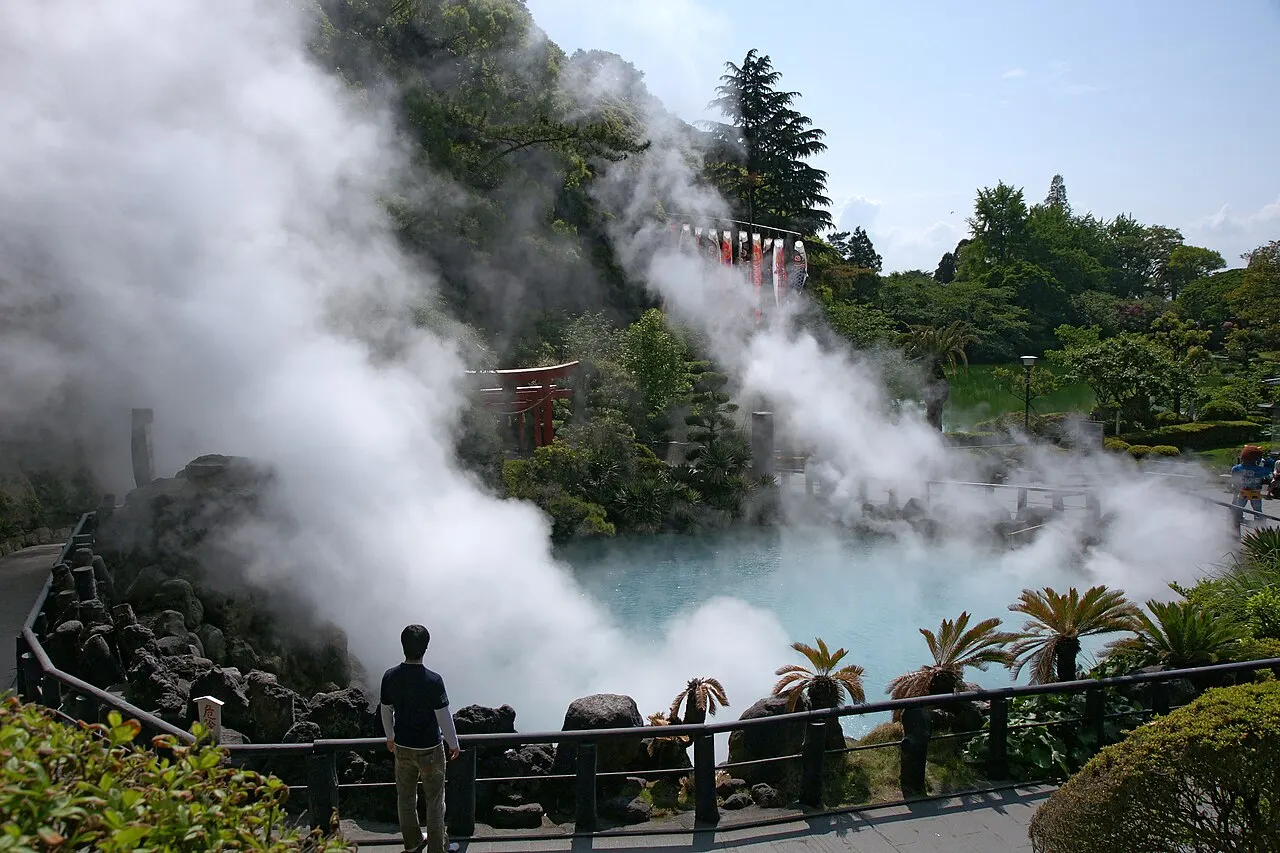
Photo: 663highland / Wikimedia Commons (CC BY 2.5)
Which season is best for onsen?
- December-February Thai travelers' favorite season: soaking in outdoor baths surrounded by snow, perfect for Hokkaido and Tohoku. Allow extra travel time, as snow can delay trains and roads.
- March-April Cherry blossoms bloom from south to north, and baths with views of sakura trees book up fast.
- June-August Hot and humid, so choose mountain or northern towns and soak in the early morning or evening.
- October-November Autumn leaves and pleasantly cool weather, the time when you can stay in outdoor baths the longest.
Avoid Japan's long holidays, such as Golden Week in early May, the Obon festival in mid-August and the New Year period, when rooms are full and noticeably more expensive.
Short Japanese phrases that really help
- Onsen wa doko desu ka Where is the onsen?
- Kashikiri buro arimasu ka Do you have a private bath?
- Tattoo daijoubu desu ka Is it OK to go in with tattoos?
- Gochisousama deshita Thank you for the meal, said after a kaiseki dinner
Plan a private onsen trip
The advantage of traveling Japan privately is that your ryokan nights can be matched to the season and route, without dragging suitcases through several train connections to an onsen town in the mountains. Sample programs with onsen nights on the route:
- Private Hokkaido tour: Noboribetsu, Lake Toya, Otaru, Sapporo 7 days 6 nights (JPN049)
- Private Japan tour in January: Nozawa Onsen Fire Festival, Shirakawa-go 7 days 6 nights (MOT001)
- Private Japan tour: Akita Adventure 5 days 4 nights (JPN026)
Prices depend on the number of travelers, the dates and the accommodation level, so just ask us for a quote. Want to travel Japan privately with See You Again, with onsen nights chosen to suit the season? Message us in the website chat or contact us. For a faster reply, contact us on LINE 004207289999999 or call 083 035 9755.
Planning it yourself?
What independent travellers usually book before they go, from providers that actually work
Partner links · we may earn a small commission when you book, your price stays the same