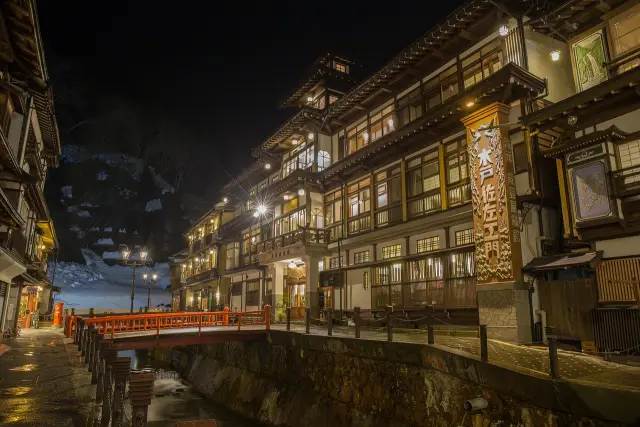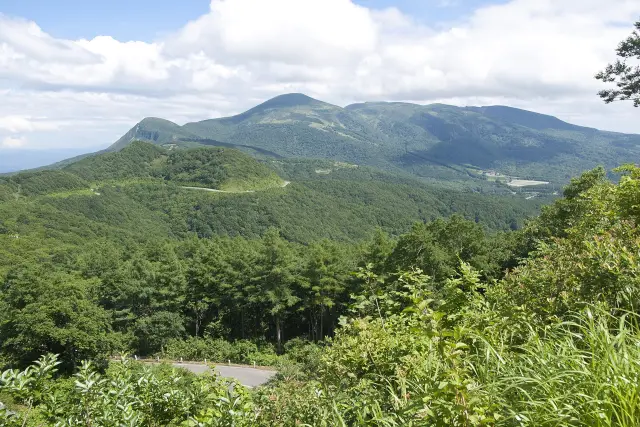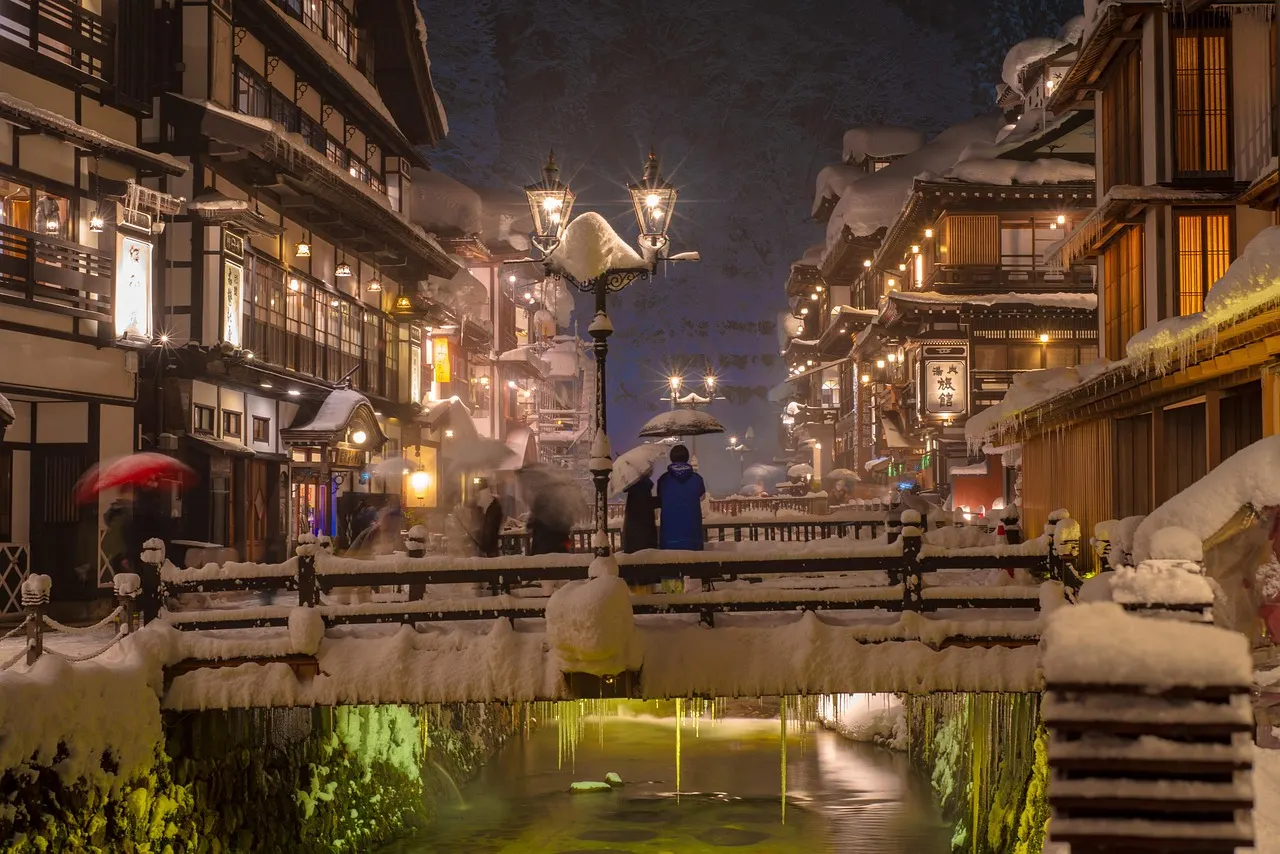
Want to bathe in an onsen in Japan but haven't booked a ryokan? You still can. Almost every hot spring town has bathhouses that let non-guests pay an entry fee and soak right away. The Japanese call this higaeri onsen (日帰り温泉), literally an onsen you visit and return from in a single day. This guide covers everything from choosing a town and reading the signs at the door to the order of things in the bathing room and the treats locals buy after their soak.
Day-trip onsen, sento and hotel baths: what's the difference?
These three look similar, but the source of the water and the atmosphere differ.
- Day-trip onsen (higaeri): uses real mineral water from natural springs, including community public bathhouses and hotel baths that sell daytime sessions to non-guests
- Sento (銭湯): bathhouses in big cities, mostly using heated tap water rather than mineral water. The same rules as an onsen apply, so it is a good place to practice if you are in Tokyo or Osaka
- Super sento: large bathing complexes with many baths, saunas, rest rooms and restaurants on site, where you can spend half a day
If you have tattoos or are traveling as a family, look for the word kashikiri (貸切), meaning a private bath rented by time slot, where you can close the door and soak on your own.
Hot spring towns that are easy to visit as a day trip
Kusatsu, Gunma Prefecture
The highlight is in the middle of town: the Yubatake, where hot water flows through wooden channels and steam rises all day. The water here is fairly strongly acidic, so you feel hot after only a short soak. Around the Yubatake are several public bathhouses, and there is a yumomi show, where performers stir the water with wooden boards to cool it while singing. From Tokyo, you can get there by train plus bus, or by direct bus from Shinjuku.
Kinosaki, Hyogo Prefecture
A small town along a willow-lined canal, with 7 public bathhouses all within walking distance. Visitors love to wear a yukata and wooden geta and hop from bath to bath. In winter it is Matsuba crab season on the Sea of Japan, and the canal-side shops put up crab signs all along the street. Reach it by JR train from Kyoto or Osaka.
Arima, Kobe
Located behind Mount Rokko, not far from central Kobe. There are two kinds of water: kinsen, golden-brown water rich in iron and salt, and ginsen, clear water. The town's public bathhouses are divided by water type, so you can try both in one day. Ideal if you are staying in Osaka and want a half-day outing.
Nozawa, Nagano Prefecture, and Noboribetsu, Hokkaido
Nozawa is a ski village with small bathhouses maintained by the villagers scattered throughout. Noboribetsu has Jigokudani, the valley where sulfur steam bursts from the ground; walk around it first, then go to a hotel that opens its baths for daytime soaking.
Read the signs before you enter
- The curtain at the door (noren): the character 男 marks the men's side and 女 the women's side. Many places use blue and red curtains as a hint, but some swap the sides every day, so always check the character.
- The character ゆ: read "yu," meaning hot water. If you see this sign, there is a place to bathe.
- Tattoo signs: a tattoo picture crossed out means tattoos are not accepted. For small tattoos, some places let you cover them with a skin-colored patch. It is best to ask staff before paying, and if in doubt, choose a kashikiri bath.
- Ticket machines: many community bathhouses have you buy a ticket from a machine and hand it to the attendant at the door. Bring 100-yen coins and small notes, because some machines don't take cards.
The order in the bathing room: follow this and you won't go wrong
- Take off your shoes and put them in the locker by the entrance; some lock with a wooden key.
- In the changing room, take off everything and put it in a basket or locker. Coin lockers usually take a 100-yen coin, returned when you open them.
- Take only the small towel in with you, leaving the large towel in the locker.
- Sit on the low stool in front of a faucet, soap up, wash your hair and rinse off all the suds. Point the shower down so water doesn't splash the person next to you, then put the stool and basin back where they were.
- Scoop water from the bath and pour it over yourself from the feet up, which the Japanese call kakeyu, to help your body get used to the heat.
- Ease slowly into the bath. Fold the small towel on your head or the edge of the bath, never in the water, and tie up long hair.
- Before going back to the changing room, wring the towel out and dry yourself, so the changing room floor doesn't get wet.
The bath is a place to relax: talk softly, don't swim, don't take photos, and don't bring your phone in at all, not even into the changing room.
How long is just right?
- For the first round, try about 5-10 minutes, then sit on the edge, sip some water and go in again.
- In outdoor baths (rotenburo) in winter, the wind is cold but the water is hot, so don't stand up suddenly; get up slowly.
- If you have been drinking, feel unwell, have a wound or are on your period, skip the soak for now.
- Mineral water leaves minerals on your skin, so many people don't rinse again and just pat themselves dry. The exception is strongly acidic water like Kusatsu's; if you have sensitive skin, you can rinse with plain water before dressing.
Treats after your soak, hot spring town specialties
Street snacks
- Onsen eggs: cooked in mineral water that is not very hot, so the white stays soft and the yolk is thick. Some towns have pools where you can buy raw eggs and cook them yourself.
- Onsen manju: steamed buns filled with red bean paste. Famous shops often steam them in front of the shop; eat them hot or buy a box as a souvenir.
- Sweets made with carbonated spring water: Arima is famous for thin, crisp crackers made with naturally sparkling mineral water.
Drinks outside the bath
A Japanese custom is bottled milk in glass bottles, plain, coffee or fruit flavored, from the fridge outside the changing room, drunk in one go standing with a hand on your hip. If you don't drink milk, the vending machines have cold tea and electrolyte drinks.
Dinner in an onsen town
- Seaside towns: in winter, Kinosaki and the towns on the Sea of Japan serve boiled crab, grilled crab and crab hot pot.
- Mountain towns: handmade soba, local pickles and mountain vegetable tempura.
- Teishoku set meals: rice, miso soup, grilled fish or pork cutlet and small side dishes, easy to eat and satisfying without being heavy, ideal after a hot soak.
What to pack
- Hair ties, and zip bags for wet towels
- Several 100-yen coins for lockers, ticket machines and milk fridges
- Your own small towel if you don't want to rent or buy one at the counter. Most bathhouses provide soap and shampoo, but some old sento don't.
- A fresh pair of socks and a light jacket, so that in winter you don't cool down too fast when you go for a stroll after the bath
Want to include an onsen in your Japan trip?
Routes that already include hot spring towns, such as Private Japan tour MOT001: Nozawa Onsen Fire Festival, Shirakawa-go 7 days 6 nights and Private Japan tour JPN049: Hokkaido, Noboribetsu, Lake Toya 7 days 6 nights, are available; just ask for a price. If you want to travel Japan privately with See You Again and would like an onsen day fitted into your plan, message us in the website chat or on LINE 004207289999999.
Photos: See You Again photo library, Pixabay
Planning it yourself?
What independent travellers usually book before they go, from providers that actually work
Partner links · we may earn a small commission when you book, your price stays the same