If you want to escape Tokyo's hot, humid weather without staying overnight, Gunma is the closest and most rewarding answer. The town of Numata in the north of the prefecture is about two and a half hours from Tokyo by road, with lavender fields on a highland plateau that is noticeably cooler than the city, an ancient temple in a cedar forest and orchards where you can pick fruit yourself. You can do it all in one day and be back in Tokyo to sleep as usual.
This article is written from the point of view of someone planning a Japan trip: when to go, which way of traveling is most convenient, how long each stop takes, and what etiquette or preparation you need.
Why Numata is perfect for a day out of the heat
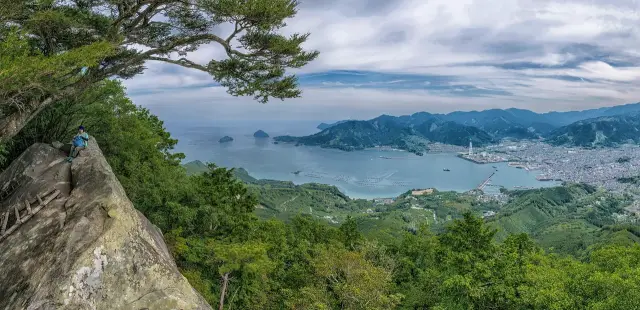
Numata sits on river terraces surrounded by mountains, while the Tambara plateau (also spelled Tamahara in some places) is about 1,300 meters above sea level. In July and August, when Tokyo is sweltering, the breeze up there is cool and pleasant, and on some mornings and evenings you will want a light long-sleeved top.
Another advantage is that the three highlights of this trip are all within the same municipality, a short drive from one another, so you don't waste too much time on the road, unlike other summer escapes in the Kanto region that involve several legs across prefectures.
When to go
- Late June to late August is when the lavender park opens for summer (for 2026 it was announced to open from about June 27 to August 30, checked in November 2026).
- Mid-July to mid-August is when the flowers are at their fullest. The varieties do not all bloom at once, so early and late in the season you will still see some purple.
- Avoid the Obon holidays (mid-August) if you can, when the Kan-Etsu Expressway is heavily congested in both directions.
- The fruit at the farm changes by month: early summer is usually cherries, mid-season blueberries and peaches, and apples start in late summer and continue into autumn.
Getting from Tokyo to Numata
By train
Take the Joetsu Shinkansen to Takasaki or Jomo-Kogen, then change to the local Joetsu Line to Numata Station. From the station to the plateau is still about another 50 minutes by road. In some years there is a free shuttle during the flower season, but it must be booked in advance and runs infrequently. The temple on Mount Kasho and the farm are in different directions, so travelers who don't drive cannot fit everything into one day.
By car
Take the Kan-Etsu Expressway to the Numata exit, then drive up the mountain to the lavender park for about another 30 minutes. The road up is winding. Visitors who are not used to driving on the left and Japanese road signs usually choose a private car with driver, which picks you up from your Tokyo hotel and brings you back, with no dragging luggage on and off trains.
For families or groups with elderly travelers, a private car lets you adjust the time at each stop to the group's energy, for example staying longer in the flower fields if the weather is good, or cutting the time at the temple if it rains.
A sample one-day itinerary
- Morning Leave Tokyo around 08:30, with one stop at an expressway rest area
- Late morning to afternoon Tambara lavender fields: walk around and have lunch on the plateau
- Early afternoon Down the mountain to Miroku-ji temple on Mount Kasho
- Late afternoon Harada Farm: fruit picking and sweets shopping
- Evening Leave Numata around 16:30 and arrive in Tokyo at about 19:00, depending on traffic
This order is designed to take you up high first while the air is fresh and the light is beautiful, then down to the lower stops in the afternoon. If you leave later than this, watch out for the last entry time at the park, which closes well before the park itself.
Tambara lavender fields, on a plateau at 1,300 meters
Tambara Lavender Park uses the slopes of a winter ski area to grow about 50,000 lavender plants across the hillsides, making it one of the largest lavender fields in the Kanto region. If you don't want to fly all the way to Furano in Hokkaido, you get a similar atmosphere without going far from Tokyo.
- At times there is a summer chairlift to view the fields from above, but it does not run every year, so check before you go.
- The announced opening hours for 2026 are 08:30 to 17:00, last entry 15:45 (checked in November 2026; check the official announcement again before traveling).
- The paths go up and down hills, so sneakers are better than sandals.
- The sun is strong at altitude even when the breeze is cool, so bring a hat, sunscreen and drinking water.
- The park has restaurants and lavender-themed treats such as lavender soft-serve ice cream, a favorite snack Japanese visitors enjoy as they walk.
Miroku-ji on Mount Kasho, home of the giant tengu mask
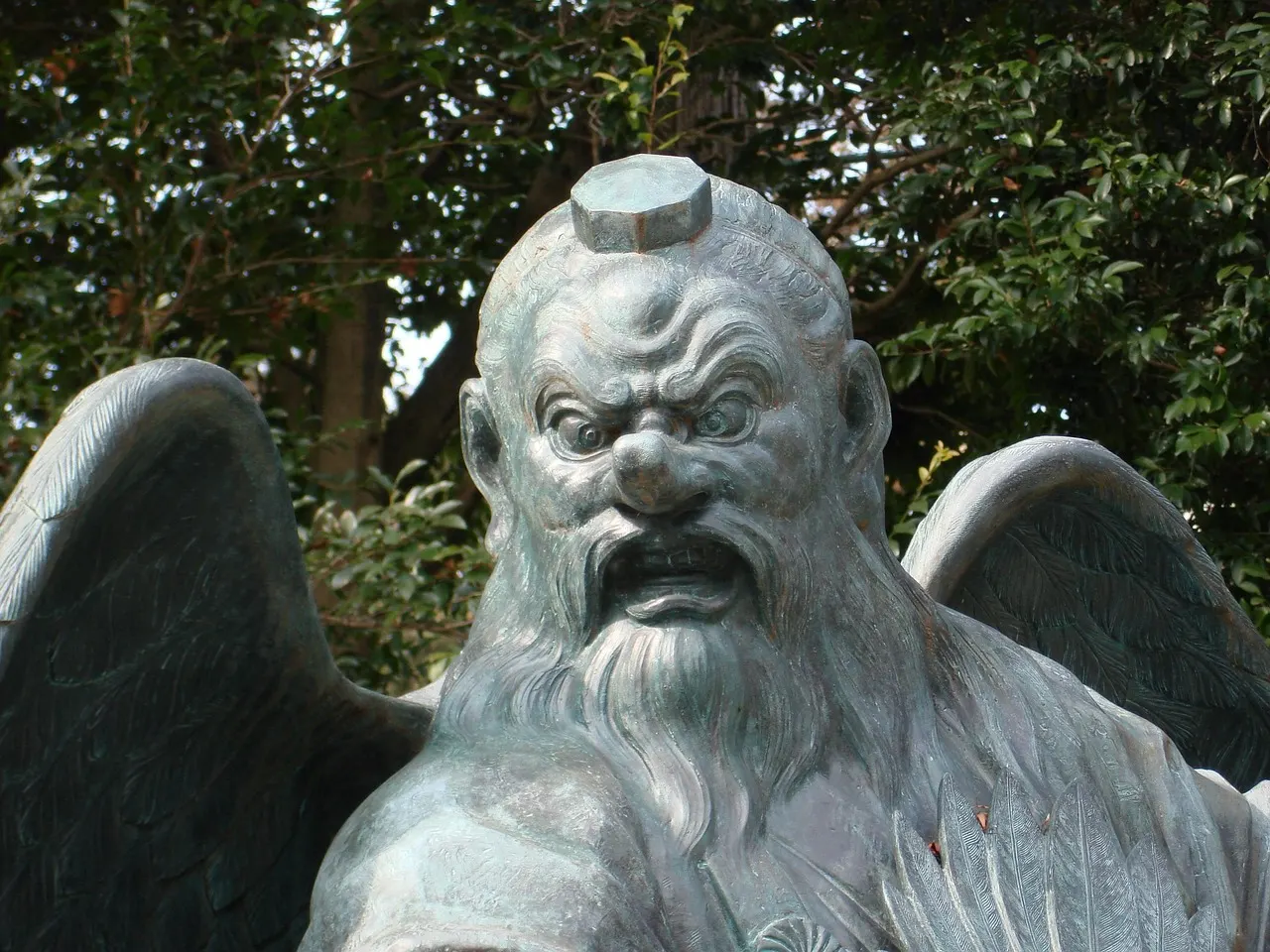
Kashozan Ryugein Miroku-ji is a Zen temple founded in the mid-9th century, hidden in a cedar forest on Mount Kasho. Japanese people count its tengu as one of the three great tengu of the country. What everyone comes to see is the giant red tengu mask in the main hall, about 6.5 meters long with a nose that juts out almost three meters.
Know before you visit the temple
- Who is the tengu? In Japanese belief, the tengu is a mountain spirit with a red face and a long nose, revered as a protector of travelers and of monks in the mountains.
- The mask-borrowing custom Locals have a tradition of borrowing a small tengu mask from the temple to worship at home, then returning it the following year along with a new one they buy as an offering. It is a fun story that shows the bond between the people of Numata and the tengu.
- Etiquette Speak softly, don't stand blocking the middle of the stairs, check for no-photography signs before taking pictures inside buildings, and if you want to pray, wash your hands at the water basin in front of the temple the Japanese way.
- The paths in the temple grounds are stone steps and forest floor that can be slippery after rain, so walk slowly, especially elderly travelers.
If your visit coincides with the Numata summer festival, you will see portable shrines carrying tengu masks paraded through town, and central Numata also has a tengu plaza with another giant mask for photos.
Harada Farm, fruit picking to end the day
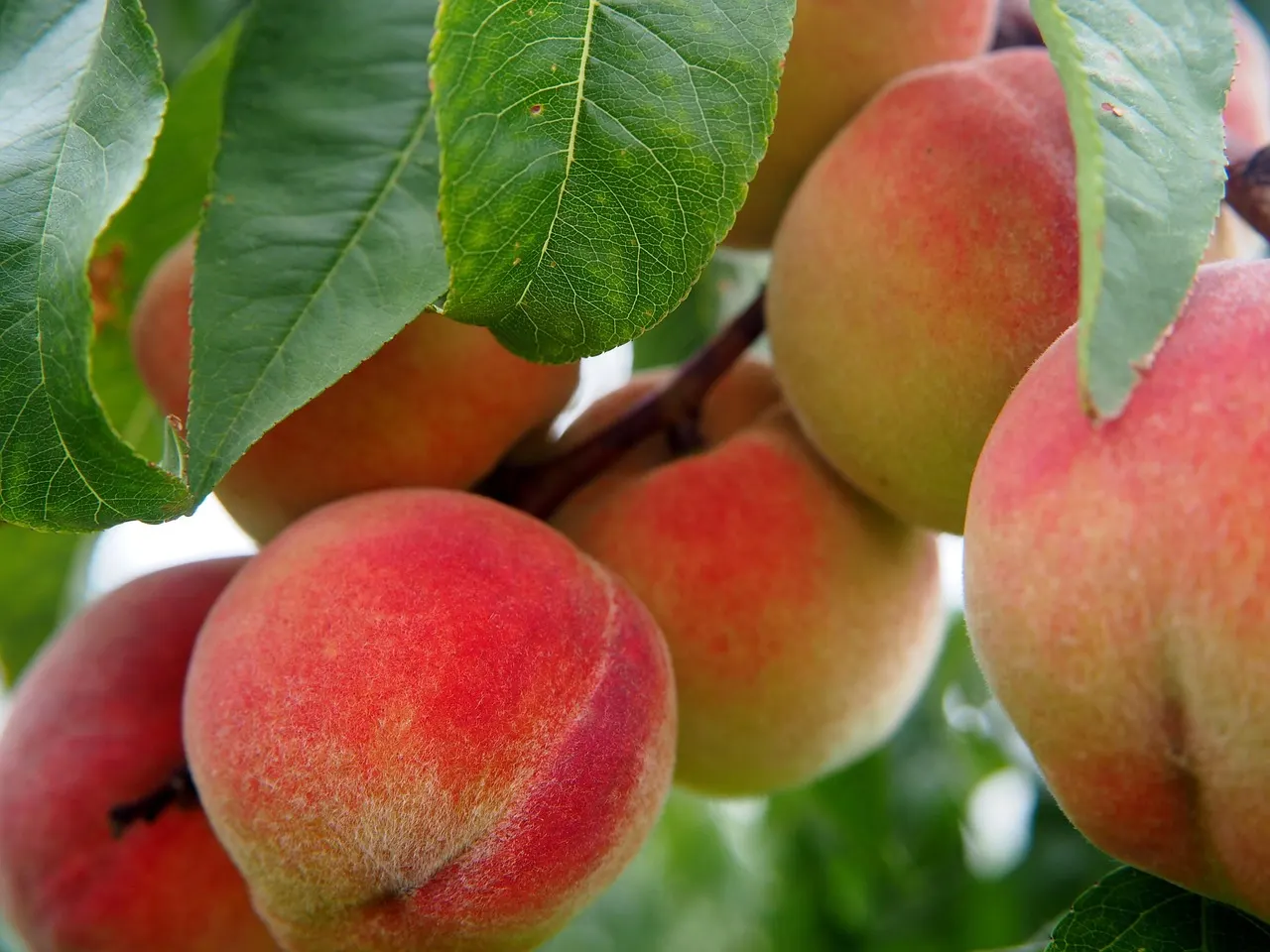
Numata is famous for its orchards, because sunny days and cool nights make the fruit sweet. Harada Farm is a large farm where Japanese families come for a day out, with plots for seasonal fruit picking, a bakery and a souvenir shop.
- Timed fruit picking The system the Japanese call tabehoudai (食べ放題) means you pay once and eat as much as you like in the orchard within a set time, usually about 30 minutes, but you may not pick fruit into bags to take home. If you want some to take away, it is weighed and sold separately.
- Things to try Apple pie and baked goods made with the farm's fruit, the souvenirs Japanese visitors carry home.
- The ripe fruit changes every week, so if you want a particular kind, check with the farm close to your travel date.
Things to know and what to bring
- Clothing Dress in layers: the plateau is several degrees cooler than Tokyo, but it is still hot when you come down into town.
- Rain Summer in the Japanese mountains often brings afternoon showers, so carry a folding umbrella or a light raincoat.
- Cash Some small shops and farm stalls still accept only cash, so carry some yen.
- Language Most signs are in Japanese, with some English at the lavender park. Useful phrases are sumimasen (excuse me / sorry to bother you) and arigatou gozaimasu (thank you).
- Trash Trash bins are scarce at Japanese tourist sites, so carry your own bag and bring your trash back to the hotel.
- Insects The flower fields naturally have bees and other insects; if you have allergies, bring your medication.
Combine Gunma with other routes in Japan
A day in Numata makes a great break from the big city during a multi-day Tokyo trip. With more time, you can continue to an onsen in Minakami or Kusatsu in Gunma and stay overnight, or pair it with Hakone, Fuji and Nikko on the same trip.
Sample Japan routes that can add a Gunma day:
- Private Japan tour: Tokyo and Hakone 6 days 5 nights
- Private tour: Tokyo, Nikko and the clear-water village of Oshino Hakkai
- Private Japan tour: Tokyo and Fuji 4 days 3 nights
Want to visit Gunma privately with See You Again, with transfers from your Tokyo hotel? Ask about prices and availability in the website chat, or for a faster reply, contact us on LINE 004207289999999 or call 083 035 9755.
Park opening hours and bloom times were checked in November 2026 and may change according to each venue's announcements.
Planning it yourself?
What independent travellers usually book before they go, from providers that actually work

Partner links · we may earn a small commission when you book, your price stays the same